The Legacy and Industry of Ceylon Tea
Over 150 years, “Ceylon Tea” has been recognized globally as one of the finest and most distinctive teas in the world. Known for its bright color, brisk flavor, and aromatic character, Sri Lankan tea has built a reputation that blends colonial history, agricultural resilience, and modern global trade excellence. Today, it remains one of the island’s most valuable exports and a defining symbol of national identity.
From Coffee Collapse to Tea Empire
In the early 1800s, Sri Lanka was known as “Ceylon” under British colonial rule, was heavily dependent on coffee plantations. The island’s central highlands were ideal for coffee cultivation, and by the mid-19th century, coffee had become the country’s leading export item.
However, this success collapsed rapidly due to a devastating fungal disease known as Hemileia vastatrix, commonly called coffee leaf rust. By 1860s and 1870s, plantations across the island were destroyed, leading to one of the most significant agricultural disasters in Sri Lankan history. This crisis opened the door for the tea industry.
However, this success collapsed rapidly due to a devastating fungal disease known as Hemileia vastatrix, commonly called coffee leaf rust. By 1860s and 1870s, plantations across the island were destroyed, leading to one of the most significant agricultural disasters in Sri Lankan history. This crisis opened the door for the tea industry.
The transformation was pioneered by James Taylor, a Scottish planter who is widely regarded as the father of Ceylon Tea. In 1867, he established a tea plantation at Loolecondera estate in Kandy, and by 1872, he built the first fully equipped tea factory in Sri Lanka. His experiments proved that Sri Lanka’s highland climate, acidic soil, rainfall patterns, and elevation were perfectly suited for tea cultivation.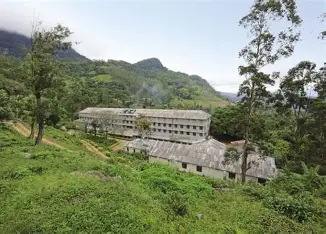
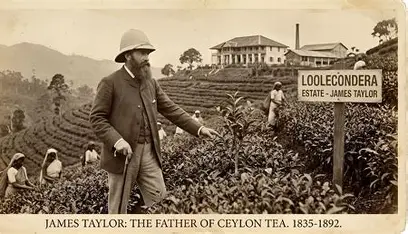
Rare historical insight
What is often overlooked is that Taylor initially grew tea in just 19 acres of land, and hand rolled every leaf himself before mechanization was introduced. His small experimental plantation became the blueprint for a global industry.
By the late 19th century, tea had fully replaced coffee, and Sri Lanka entered to a new economic era. Which shines even today.
Rise of a Global Export Giant
Ceylon Tea grew rapidly under British plantation systems. By the early 20th century, Sri Lanka had developed one of the most advanced plantation infrastructures in the world, including railways specifically built to transport tea leaves from hill country estates to Colombo.
By 1965, Sri Lanka had become the world’s largest tea exporter, a position it held for several years before being overtaken in production volume by countries like India, China, and Kenya.
Today, Sri Lanka remains at the 4th place in tea exporters globally and is especially dominant in the premium orthodox tea segment, where quality matters more than quantity.
The Colombo Tea Auction – The World’s Oldest Tea Market
One of the most important pillars of the industry is the Colombo Tea Auction, established in 1883. It is the oldest continuous tea auction in the world and remains the central trading hub for Sri Lankan tea.
Almost all tea produced in the country is sold through this structured auction system, managed by the Colombo Tea Traders’ Association (CTTA) and the Ceylon Chamber of Commerce.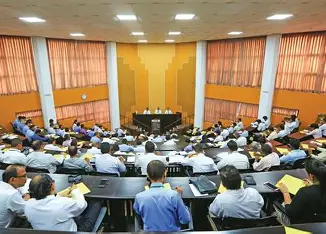
How the system works
Tea is first processed at estates, then sent to factories where it is graded. Samples are then sent to brokers, who present them at weekly auctions. Buyers (mostly exporters) bid competitively based on quality, grade, and demand.
Rare industry fact
The Colombo Tea Auction is one of the few tea trading systems in the world where liquidity is maintained weekly, which means prices adjust in real-time based on global demand like a stock exchange model.
Tea Brokers – The Hidden Engine of the Industry
Brokers play a crucial role as intermediaries between plantations and exporters. Sri Lanka currently has several licensed tea broking companies, including:
• Forbes & Walker Tea Brokers (Pvt) Ltd (one of the oldest commodity brokers in Asia)
• John Keells PLC
• Asia Siyaka Commodities PLC
• Ceylon Tea Brokers PLC
• Mercantile Produce Brokers
• Bartleet Produce Marketing (Pvt) Ltd
• Lanka Commodity Brokers Ltd
• Eastern Brokers Ltd
Rare insight
Forbes & Walker is historically significant because it existed before the official Colombo Tea Auction was even established, making it one of the oldest continuously operating brokerage firms in the region.
The Geography of Flavor – “Terroir” of Ceylon Tea
One of the most unique features of Ceylon Tea is its strong dependence on geography, known as terroir. Unlike blended teas from multiple countries, Ceylon Tea is highly regional and reflects the exact climate, altitude, and soil of its origin.
Sri Lanka’s tea regions are broadly divided into seven agro-climatic zones, producing distinct flavor profiles. 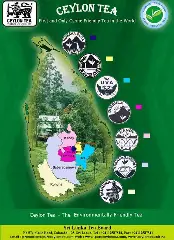
High Grown (Above 1,200m)
• Nuwara Eliya – light, floral, champagne-like tea
• Dimbula – smooth, aromatic, balanced
• Uva – distinctive seasonal flavor affected by monsoon winds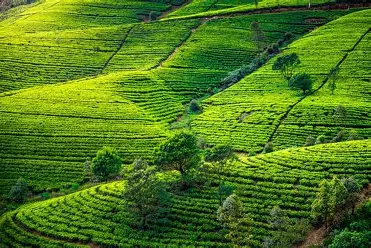
Mid Grown600 – (1,200 meters)
• Kandy – historically the birthplace of Sri Lankan tea cultivation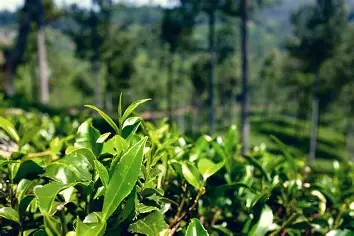
Low Grown (600 meters)
• Ruhuna – strong, bold, dark liquors
• Sabaragamuwa – sweet, earthy tones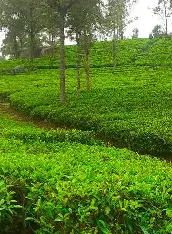
Rare fact
Uva teas are so unique that their flavor changes noticeably depending on the direction of monsoon winds, a phenomenon rarely seen in global tea production.
From Estate to Export – Global Tea Giants
After auction purchase, tea is processed, blended, packed, and exported by major Sri Lankan companies that dominate international markets:
• Akbar Brothers – largest exporter of Ceylon Tea globally
• Dilmah (MJF Group) – pioneer of “single-origin” tea and ethical branding
• Anverally & Sons – strong presence in Middle Eastern and CIS markets
• Jafferjee Brothers – known for bulk and value-added exports
• Stassen Exports – major producer of organic and green tea
• Empire Teas – fast-growing branded tea exporter
• Vintage Teas – premium specialty tea and logistics-focused exporter
Sri Lanka’s Position in the Global Tea Market
Sri Lanka is typically ranked as the 4th largest tea producer in the world, after China, India, and Kenya. However, production volume does not fully reflect its global importance.
Sri Lanka consistently ranks among the top 3 tea exporters by value, largely because,
• Ceylon Tea is positioned as a premium product
• Strong branding and geographical indication (“Ceylon Tea” are a protected global brand)
• High demand for orthodox whole-leaf teas
While production rankings fluctuate annually, Sri Lanka’s strength is not quantity but value-added export pricing, which is significantly higher than many bulk tea-producing countries.
Rare and Lesser-Known Facts About Ceylon Tea
• Sri Lanka was one of the first countries to implement a state-controlled tea export branding system
• The “Lion Logo” on Ceylon Tea packaging is a certification mark issued only to tea packed in Sri Lanka
• Tea cultivation helped build Sri Lanka’s hill-country railway network, originally designed for plantation logistics
• The country has over 600,000 plus smallholder tea farmers, contributing significantly to production alongside estates
• Some estates still use hand-plucking methods, where only the top two leaves and bud are picked
• Tea is one of Sri Lanka’s largest rural employers, supporting over 2 million livelihoods indirectly
• Certain estates in Nuwara Eliya operate at altitudes so high that frost occasionally affects tea growth, a rare tropical agriculture condition.
At Last, from the collapse of coffee plantations in the 19th century to becoming a global leader in premium tea exports, Ceylon Tea represents one of Sri Lanka’s greatest success stories. It is not just an agricultural product but a carefully preserved cultural and economic heritage.
Every cup of Ceylon Tea reflects centuries of craftsmanship from the pioneering work of James Taylor at Loolecondera to the modern global strategies of Sri Lanka’s leading exporters. Whether it is a delicate Nuwara Eliya brew or a bold Ruhuna infusion, Ceylon Tea continues to carry the identity of an island that turned crisis into global excellence.