Glow Naturally with Easy Homemade Skin Scrub Recipes
On the journey to achieving naturally healthy, glowing skin, many of us turn to expensive chemical products. But did you know that the real secret is hidden in our own kitchens? Homemade natural scrubs are one of the simplest, most cost effective, and most powerful ways to improve skin health. By correctly mixing ingredients such as sugar, salt, coffee, honey, and oats according to your skin’s needs, you can achieve results more powerful than any product on the market.
In this article, we will discuss in detail various easy to make scrub recipes, methods for choosing the most suitable scrub based on your skin type, and the correct techniques for using scrubs safely. Separate recipes for dry, oily, and sensitive skin are included, along with essential safety tips to avoid damage from over exfoliation. Get ready to add these natural methods to your skincare routine.
Preparing natural scrubs at home is an affordable, chemical free, and effective way to improve skin health. Using common kitchen ingredients like sugar, salt, coffee, and honey, you can create excellent scrubs for various skin concerns. A sugar scrub is one of the most popular homemade varieties. Brown or white sugar particles act as fine, gentle exfoliants that remove dead skin cells without being too harsh. Mixing one tablespoon of sugar with one tablespoon of coconut oil and one teaspoon of honey creates a scrub ideal for dry skin, as it hydrates while exfoliating.
Salt scrubs are generally more suitable for rough areas of the body. Sea salt or Himalayan pink salt, when used in a scrub, stimulates blood circulation and helps reduce cellulite. Mix half a cup of salt with two tablespoons of olive oil and one teaspoon of lemon juice to create a scrub that is especially effective for oily skin. Salt has natural antimicrobial properties, helping to kill acne causing bacteria.
Coffee scrubs have recently gained immense popularity in skincare. Although ground coffee particles are somewhat coarse, they are excellent at removing dead skin cells. The caffeine in coffee improves blood circulation, while its antioxidants slow down skin aging. Mixing two tablespoons of coffee grounds, one tablespoon of coconut oil, and one tablespoon of brown sugar produces a scrub perfect for rough areas like elbows, knees, and heels. Using this scrub once a week leaves the skin smooth and soft.
Honey based scrubs suit all skin types and are especially good for those with sensitive skin. Honey is a natural humectant and has antibacterial properties. Combine one tablespoon of honey, two tablespoons of ground oats, and one tablespoon of yogurt to make a scrub best suited for the face. Oats gently remove dead cells, while the lactic acid in yogurt brightens the skin. Using this scrub twice a week can reduce redness and irritation.
Another excellent homemade scrub is the avocado scrub. Mixing avocado pulp with brown sugar and olive oil creates a scrub that is highly beneficial for dry, damaged skin. Vitamin E and natural fatty acids in avocado deeply nourish the skin. Additionally, a papaya scrub is very effective. The enzyme papain in papaya dissolves dead skin cells, making it an excellent treatment for acne and dark spots. A scrub made from papaya pulp, honey, and lemon juice, used once a week, can significantly improve skin brightness.
When preparing these scrubs, always ensure that the ingredients are fresh and clean. Test the mixture on a small area of skin before full application. After using any scrub, rinse thoroughly, pat dry, and apply a moisturizer. Remember that homemade scrubs used once or twice a week are sufficient, as over exfoliating can damage the skin.
Choosing Homemade Scrubs According to Skin Type (Suitable Recipes for Dry, Oily, and Sensitive Skin)
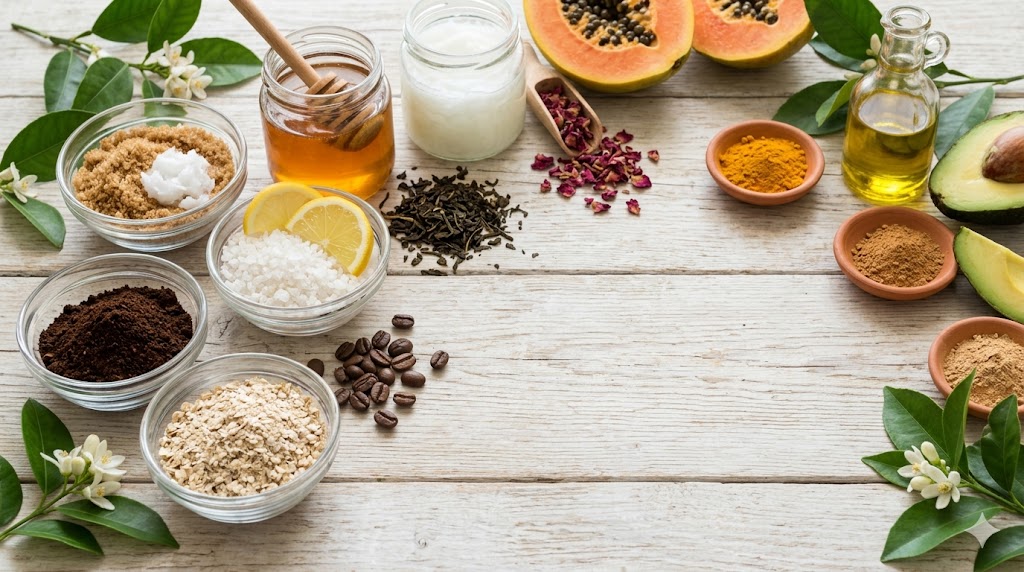
Since everyone’s skin is different, choosing a scrub that matches your skin type is extremely important. Using the wrong scrub can worsen existing problems or create new ones. The three main skin types, dry, oily, and sensitive, each require different homemade scrub formulations.
Scrub for Dry Skin: People with dry skin lack natural moisture, leading to flaking, redness, and itching. Therefore, a scrub for dry skin must contain moisturizing ingredients while gently removing dead cells. The best scrub for dry skin is an oats and honey scrub. Grind oats into a powder, then add honey and coconut oil to form a soft paste. Oats reduce skin irritation, honey helps retain moisture, and coconut oil deeply nourishes. Apply this scrub to the face, leave it for 5 to 10 minutes, then massage gently and rinse. Use it only once a week.
Another excellent option for dry skin is the banana and avocado scrub. Mash half a banana and half an avocado, then add one tablespoon of honey and one teaspoon of olive oil. This very gentle scrub provides all the nutrients the skin needs. Potassium and vitamins A, C, and E in bananas are highly beneficial, while fatty acids in avocado strengthen the skin barrier. Those with dry skin can use this scrub twice a week, but if the skin is extremely dry, once a week is enough.
Scrub for Oily Skin: People with oily skin have overactive sebaceous glands, leading to clogged pores and acne. Therefore, scrubs for oily skin should contain ingredients that control oil and cleanse pores. A lemon and sugar scrub is excellent for oily skin. Mix one tablespoon of lemon juice, two tablespoons of sugar, and one tablespoon of yogurt. The citric acid in lemon removes excess oil, the lactic acid in yogurt cleanses pores, and sugar exfoliates gently. Use it twice a week, but reduce usage if you feel any irritation from the lemon.
Another effective scrub for oily skin is a coffee and brown sugar scrub. Mix two tablespoons of coffee grounds, one tablespoon of brown sugar, and one teaspoon of lemon juice. This scrub is specially designed for oily skin. Caffeine improves blood circulation and helps reduce cellulite. Brown sugar exfoliates without adding oil, and lemon juice balances the skin’s pH. Since lemon juice can cause spots when exposed to sunlight, use this scrub at night.
A tea tree oil and honey scrub is another option. Mix one tablespoon of honey, two tablespoons of ground oats, and 2 to 3 drops of tea tree oil. Tea tree oil has powerful antibacterial properties that destroy acne causing bacteria. Oats reduce irritation, and honey provides moisture. This scrub is very gentle and can even be used daily, although 2 to 3 times a week is sufficient.
Scrub for Sensitive Skin: Since sensitive skin can easily react to products, choosing a scrub requires extreme caution. The best scrub for sensitive skin is an oats and milk scrub. Mix two tablespoons of ground oats, one tablespoon of milk powder, and one teaspoon of honey, adding enough water to form a paste. Oats help reduce skin irritation and soothe redness. The lactic acid in milk gently exfoliates, and honey protects the skin. This scrub causes no irritation and leaves the skin soft and smooth.
Another safe option for sensitive skin is a turmeric and sandalwood scrub. Mix one teaspoon of turmeric powder, two teaspoons of sandalwood powder, rose water, and honey to form a paste. Turmeric has anti inflammatory properties that reduce redness and irritation. Sandalwood provides a cooling effect, and rose water soothes the skin. This very gentle scrub should be used only once a week. Since turmeric may temporarily tint the skin, rinse thoroughly.
A coconut oil and brown sugar scrub can also be used for sensitive skin, but it is important to use very fine sugar. Mix one tablespoon of brown sugar, one teaspoon of coconut oil, and one teaspoon of honey. Coconut oil deeply nourishes, while brown sugar gently removes dead cells. However, those with sensitive skin should rub very gently and not leave the scrub on for more than a minute. Before using any new scrub, individuals with sensitive skin should always test it on a small area behind the ear or on the inner arm.
Correct Methods and Safety Tips for Using Homemade Scrubs
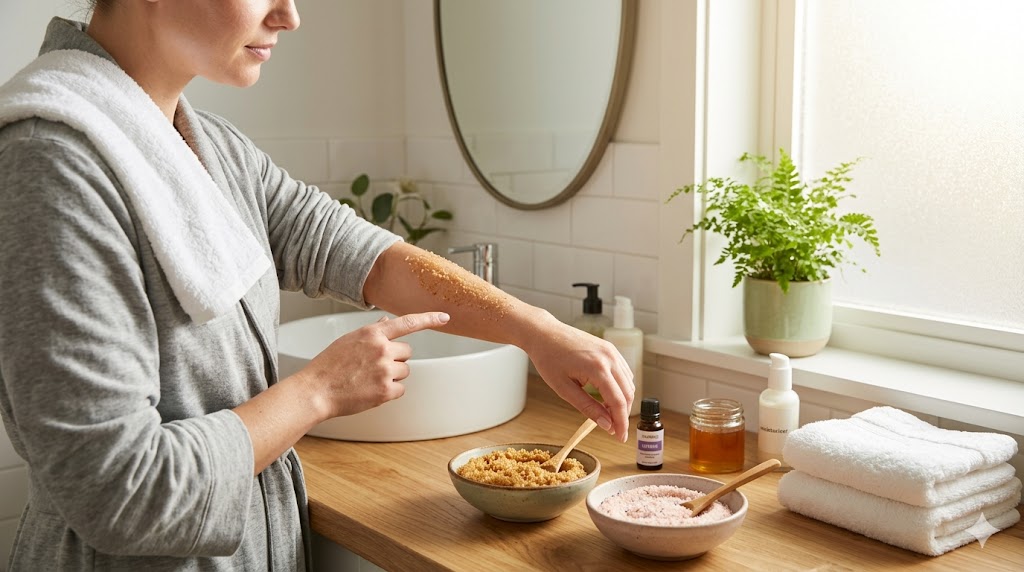
Although homemade scrubs are highly beneficial for skin health, if they are not used correctly, they can cause harm. Therefore, a thorough understanding of correct application methods, safety tips, and frequency is essential. This section provides all the information you need to get maximum results from homemade scrubs while avoiding potential damage.
Frequency of Use: How often you should scrub depends on your skin type and the coarseness of the scrub. Generally, once or twice a week is sufficient for all skin types. Those with dry skin should scrub only once a week, while those with oily skin can scrub up to twice a week. People with sensitive skin should scrub once a week or once every two weeks. Daily scrubbing removes natural oils, leaving the skin dry and irritated, so avoid it. Since body skin is tougher than facial skin, you can scrub the body two to three times a week, but limit facial scrubbing to once a week for safety.
Preparation Before Scrubbing: Before scrubbing, thoroughly cleanse and dampen the skin. Warm water softens dead skin cells, making the scrub more effective. Since steam in the bathroom helps open pores, scrubbing while showering is ideal. Also, wash your hands thoroughly before scrubbing. Keep your nails short to avoid scratching the skin. Additionally, if you have any cuts, wounds, or rashes on your skin, avoid scrubbing until they have healed.
Correct Method of Application: The most important point when applying a scrub is to rub gently. Vigorous rubbing can damage the skin surface, causing redness, irritation, and cracks. Using your fingertips or a soft cloth, rub the scrub gently in circular motions. 30 to 60 seconds per area is sufficient. You can apply slightly more pressure to rough areas like elbows, knees, and heels, but be very gentle on sensitive areas like the face, neck, and chest. If redness appears, it means you are applying too much pressure or the scrub is too harsh for your skin.
Removing the Scrub and Aftercare: After scrubbing, rinse thoroughly with warm water. Warm water is better than cold water because it completely removes any residual scrub particles. After rinsing, pat the skin dry with a soft towel and do not rub. Once dry, immediately apply a moisturizing cream or lotion. Since pores are open after scrubbing, applying moisturizer at this time allows deeper absorption and greater effectiveness. Additionally, avoid direct sunlight for at least 24 hours after scrubbing. Because the skin’s protective layer is temporarily weakened, sun exposure can cause greater damage.
Tips to Prevent Skin Damage: To prevent damage when using homemade scrubs, pay special attention to the following points. First, never scrub over active acne, wounds, cuts, burns, or skin infections, as this can worsen the condition. Second, test for allergies by applying a small amount behind your ear or on your inner arm before full application. If no redness, itching, or rash appears within 24 hours, it is safe to use. Third, avoid sun exposure after using scrubs containing citrus fruits like lemon, lime, or orange. The acids in these fruits can react with sunlight, causing inflammation, spots, and darkening. Fourth, keep the scrub away from the eye area, as the skin there is very thin and sensitive. Fifth, if you experience excessive redness, inflammation, or pain after scrubbing, stop using it immediately and seek medical advice.
Additional Tips for Best Results: To get the best results from homemade scrubs, follow these additional tips. Regular scrubbing is important, but it should not be excessive. Scrubbing once or twice a week consistently prevents dead cell buildup and keeps the skin healthy. Always use fresh ingredients, as old or expired ingredients can be harmful. Use homemade scrubs immediately, or store them in the refrigerator and use them within 2 to 3 days. Scrubs kept longer may develop bacteria. Additionally, drinking plenty of water after scrubbing helps maintain skin hydration. Finally, for the best results, complement scrubbing with other good skincare habits. Cleansing, moisturizing, sun protection, healthy eating, and adequate sleep are all essential for skin health.
Conclusion
Using homemade natural scrubs correctly can bring extraordinary life to your skin. The most important factors are identifying your skin type, choosing a suitable scrub, using it the right number of times once or twice a week, and rubbing gently without excessive pressure. Remember to moisturize your skin after scrubbing. Keep in mind that natural ingredients are not a guarantee of zero harm. Therefore, always test a new scrub on a small area of skin before full application. When used regularly and correctly, homemade scrubs will play a major role in your skin’s health. Go to your kitchen today, gather a few simple ingredients, and start doing the best thing for your skin. Do not reject the gift that nature offers to your skin. Healthy, glowing, naturally beautiful skin is not a distant dream; it is a reality waiting just inside your own home.