Why Most People Are Wrong About Ajinomoto (MSG)
 Introduction:A Common Ingredient Surrounded by Fear
Ajinomoto, also known as monosodium glutamate, is one of the most misunderstood food ingredients in the world. In many households it is blamed for headaches, stomach problems, hair loss and even serious long-term diseases. Some people proudly say they never use it while others warn their families and students to stay away from it completely. Despite these strong opinions very few people understand what Ajinomoto is, how it works in food and what science says about its effects on the human body. This article explains why most people are wrong about Ajinomoto and how myths fear and misinformation have shaped public opinion more than evidence.
What Ajinomoto Really Is
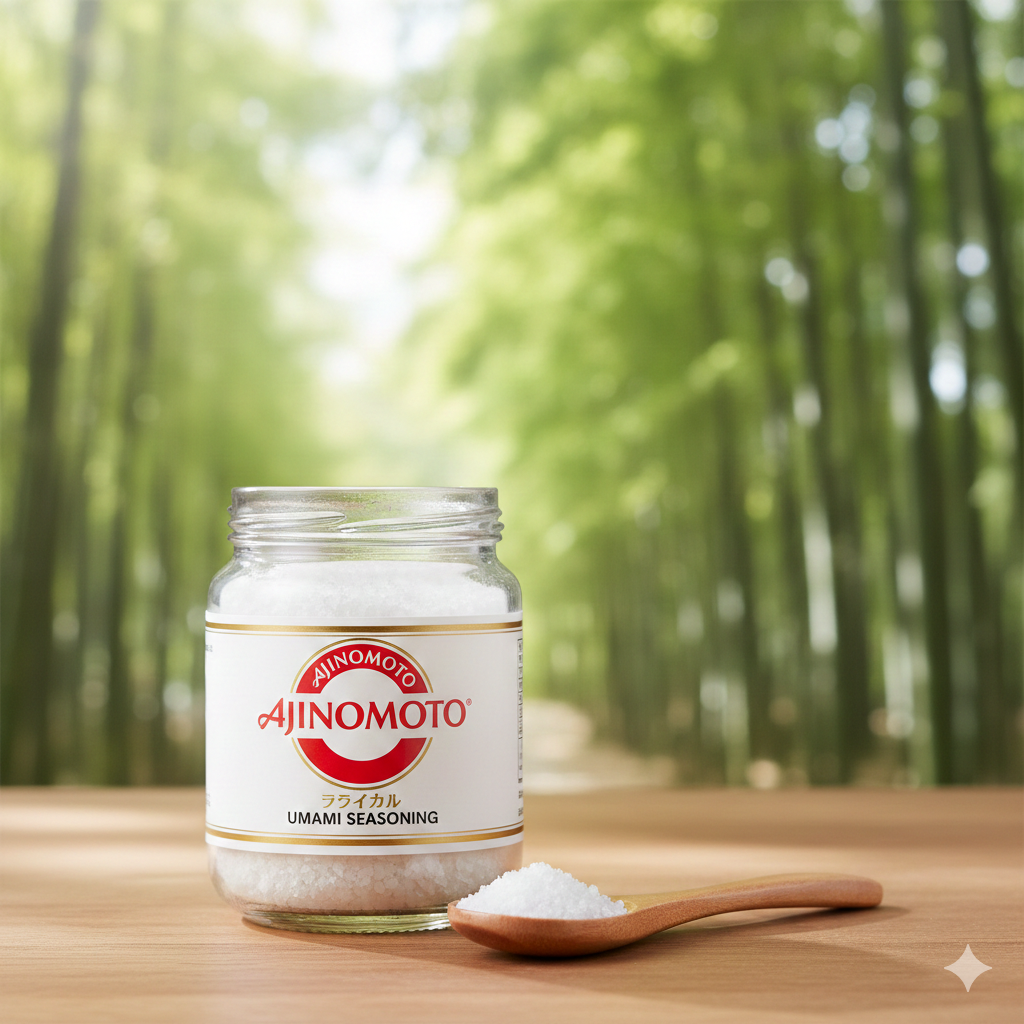
Ajinomoto is the brand name of a seasoning made from monosodium glutamate, often called MSG. MSG is a substance that occurs naturally in many foods such as tomatoes, cheese, mushrooms, seaweed, and even breast milk. It is responsible for the umami taste which is considered the fifth basic taste along with sweet, sour, salty and bitter. Umami gives food a savory rich and satisfying flavor. MSG used in cooking is produced through fermentation similar to how yogurt, vinegar and soy sauce are made. It is not poison or a chemical created in a laboratory as many people believe.
The Origin of Ajinomoto and Its Purpose
MSG was first identified in 1908 by a Japanese scientist named Kikunae Ikeda. He discovered that kombu seaweed had a unique taste that could not be explained by the four known tastes at that time. He isolated glutamate and developed MSG to enhance flavor in everyday cooking. Later the company Ajinomoto Co., Inc. popularized it as a seasoning to improve taste while using less salt. The original purpose of Ajinomoto was not to harm health but to make food tastier and more affordable especially in times when ingredients were limited.
Why Ajinomoto Became a Villain
The negative reputation of Ajinomoto began largely due to a term called Chinese Restaurant Syndrome. In the nineteen sixties a letter published in a medical journal claimed that some people experienced headaches and discomfort after eating Chinese food. MSG was suspected without strong scientific proof. Media reports exaggerated the idea and over time it became accepted as fact. This label unfairly targeted Chinese cuisine and ignored other possible causes such as excess oil salt alcohol or overeating. Once fear entered public discussion it spread faster than facts.
What Science Actually Says
Over the past several decades numerous scientific studies have examined the effects of MSG on human health. Major global health organizations including the World Health Organization and the Food and Agriculture Organization have concluded that MSG is safe for the general population when consumed in normal amounts. Large scale, controlled studies have failed to consistently show a direct link between MSG and serious health problems. While a very small number of people may be sensitive to large doses taken without food this does not apply to most people in everyday cooking.
Natural Glutamate Versus Added MSG
One major misunderstanding is the belief that natural glutamate is safe while added MSG is dangerous. Chemically, both are identical. The body processes them in the same way. When you eat tomatoes or cheese your body does not know whether the glutamate came from a natural source or from added MSG. The fear comes from the word chemical rather than from actual biological differences. This selective fear is not based on science but on perception.
Ajinomoto and the Myth of Hair Loss and Weakness
In many countries, Ajinomoto is blamed for hair fall body weakness and reduced energy. There is no scientific evidence supporting these claims. Hair loss is influenced by genetics nutrition stress hormonal changes and illness. Weakness is often linked to poor diet, lack of sleep or anemia. Blaming a single seasoning ignores these complex causes. Ajinomoto is often used as a scapegoat because it is easy to point to and already feared.
The Role of Excess and Poor Diet
Problems arise not because of Ajinomoto itself but because of how food is prepared and consumed. Many foods containing MSG are highly processed salty and oily. Eating such foods frequently can cause health issues. However, MSG is blamed instead of the overall diet. It is similar to blaming one ingredient in a sugary cake for weight gain. Health depends on balance moderation and variety not on avoiding one seasoning.
Cultural Bias and Food Fear
Ajinomoto is more often criticized in Asian cooking than in Western processed foods even though MSG is widely used in snacks soups chips and fast food. This shows a cultural bias in how food safety is discussed. When MSG is hidden under different names it is accepted but when it is visible it is rejected. Fear of Ajinomoto is often learned socially from family, friends and social media rather than from reliable sources.
Why People Continue to Believe the Myths
Once a belief becomes widespread it is hard to change. People trust personal stories more than scientific studies. If someone feels unwell after eating outside, they quickly blame Ajinomoto even without proof. Confirmation bias makes people notice only information that supports their fear. Social media, videos and messages spread misinformation quickly without fact checking. Over time, these myths become accepted truths.
Ajinomoto and Responsible Use
This does not mean Ajinomoto should be used excessively. Like salt, sugar or oil, it should be used in moderation. Too much of anything is unhealthy. The key is balanced cooking using natural ingredients, vegetables, proteins and spices. Ajinomoto can be a flavor enhancer, not a replacement for good cooking habits. Used wisely it can help reduce salt intake while maintaining taste.
Teaching Critical Thinking About Food
Understanding the truth about Ajinomoto is also about learning critical thinking. It teaches us to question popular beliefs, look for evidence and avoid fear-based decisions. Food choices should be guided by knowledge, not rumors. This is especially important for students, parents and teachers who influence others.
Conclusion
Most people are wrong about Ajinomoto because fear has spoken louder than science. MSG is not a poison nor a hidden danger waiting to harm the body. It is a flavor enhancer that occurs naturally in many foods and has been studied extensively. Health problems linked to food usually come from excess imbalance and poor overall diet not from one ingredient. Understanding Ajinomoto correctly helps people make informed choices and avoid unnecessary fear. Knowledge not rumor should guide what we eat and how we think about food.