The Water Festival of Cambodia: A Celebration of Life, Tradition, and the Mighty Mekong
EveryNovember, Cambodia bursts into color, rhythm, and joy as it celebrates one of its most spectacular and ancient traditions Bon Om Touk, the Water Festival. This vibrant celebration marks the turning of the Tonlé Sap River’s flow, a natural wonder unique to Cambodia, and honors the life giving waters that sustain the nation’s people, culture, and spirit.
A Festival Rooted in Nature and Gratitude
Bon Om Touk isn’t just a festival. It’s a tribute to the Mekong River and the Tonlé Sap Lake, which together form the heart of Cambodia’s ecosystem and livelihood. Once a year,as the monsoon season ends, the river changes direction flowing back towards the Mekong. This incredible natural reversal signals the end of the rainy season, the abundance of fish, and the beginning of harvest time.
To the Cambodian people, it’s a moment to give thanks to the water,to nature, and to the spirits that bless their lands with fertility and balance.
The Thrill of the Boat Races.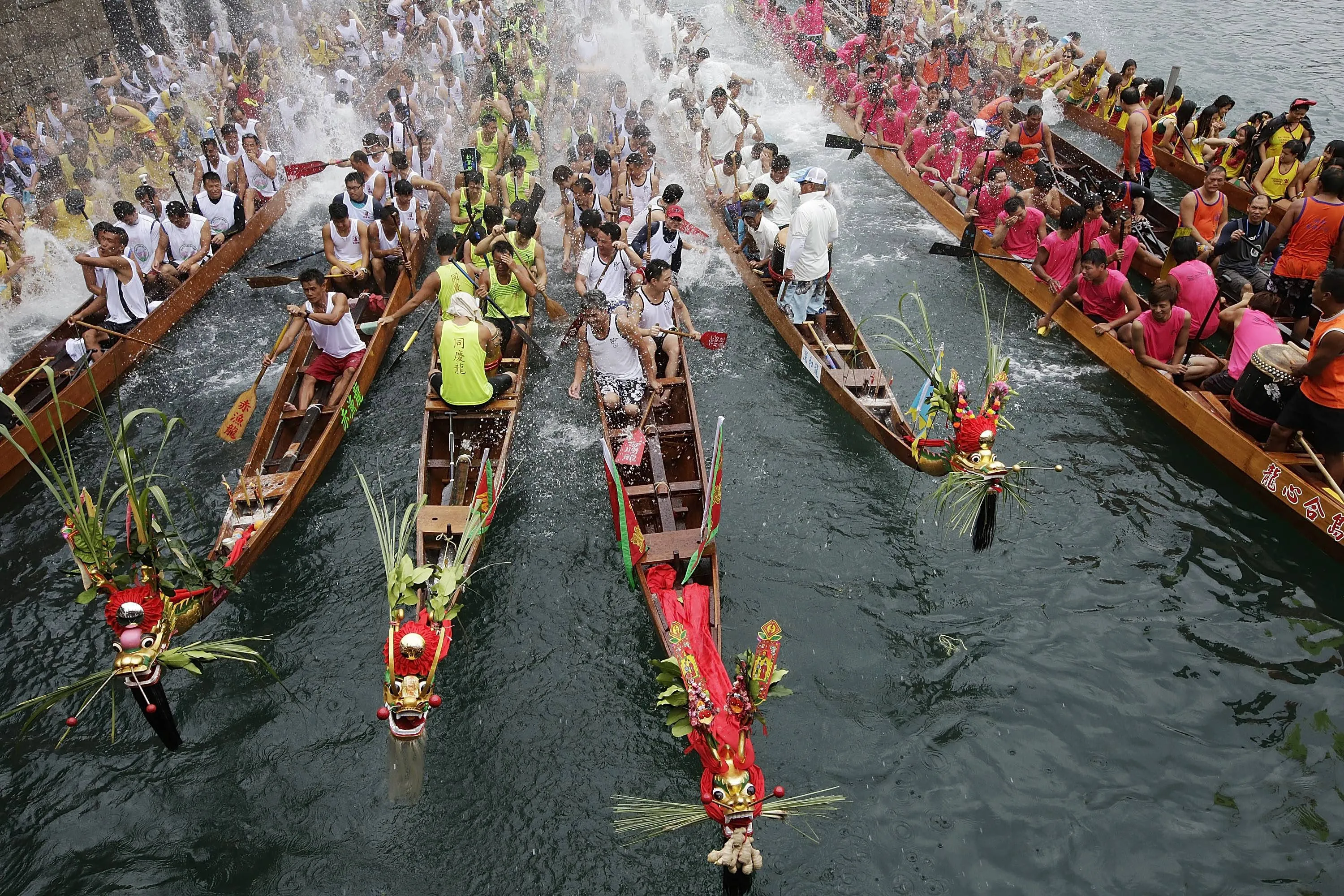
Thehighlight of the festival is undoubtedly the majestic boat races that fill the waters of Phnom Penh with excitement. Long, narrow wooden boats painted in brilliant colors and adorned with flags glide across the river, powered by the synchronized strokes of dozens of rowers.
Each boat represents a village or community, and the competition is fierce yet joyous. The cheers of thousands line the riverbanks as music, drums, and chants echo through the air. It’s a breathtaking display of teamwork, tradition, and national pride.
Nights of Light and Celebration
As the sun sets, the celebration takes to the skies and the waters. The river sparkles with illuminated boats called Loy Pratip, beautifully decorated with lights in the shapes of mythical creatures, temples, and royal symbols. Fireworks burst above the city, casting reflections on the water below.
Families gather by the riverside, vendors fill the streets with local food and sweets, and the atmosphere feels nothing short of magical. It’s a night when the river glows, laughter echoes, and Cambodia’s spirit shines brightest.
A Celebration Beyond Borders
For visitors, the Water Festival is a window into the soul of Cambodia, a rare blend of spirituality, history, and pure human joy. It’s a reminder of how deeply connected the Cambodian people are to nature and to each other.
The festival doesn’t just celebrate water .It celebrates life itself.
In a world that often rushes forward, Cambodia’s Water Festival invites us to pause to honor the forces that sustain us and to celebrate unity, gratitude, and renewal. Whether you’re standing on the banks of the Tonlé Sap or watching the fireworks dance above Phnom Penh, you can feel it: the heartbeat of a nation flowing with the river’s rhythm.
Bon Om Touk where water, spirit, and joy meet.
A Glimpse into History: The Origins of Bon Om Touk
The Water Festival is not just a modern celebration . It’s a tradition that stretches back centuries, rooted in Cambodia’s ancient Khmer Empire. Historians believe that Bon Om Touk began during the reign of King Jayavarman VII in the 12th century, a time when the Khmer Empire was at its peak.
Back then, the festival served both spiritual and strategic purposes:
Spiritual: It was a way to honor the river spirits and express gratitude for the abundance of water and fish essential for survival in an agrarian society.
Strategic: The boat races were also a form of military training. The longboats, manned by dozens of rowers, were used to prepare warriors for naval battles and to showcase the strength of the kingdom.
Today, while the military aspect has faded, the spiritual and communal elements remain strong, connecting modern Cambodians to their ancestors and the rhythms of nature.
The Lifeblood of Cambodia: The Tonlé Sap and Mekong Rivers
To truly understand the Water Festival, you must understand the Tonlé Sap River one of the world’s few rivers that reverses its flow.
During the rainy season (May to October), the Mekong River swells and pushes water into the Tonlé Sap Lake, expanding it to more than four times its dry season size. When the rains stop in November, the river reverses direction, draining the lake back into the Mekong and eventually into the sea.
This natural phenomenon is vital for Cambodia’s agriculture and fishing industries. The reversal brings nutrient rich waters that support one of the most productive freshwater fisheries in the world, feeding millions and sustaining livelihoods.
Bon Om Touk is, in essence, a celebration of this miracle a moment when nature gives back, and the people rejoice.
The Rhythm of the Festival: Music, Dance, and Ritual
While the boat races are the centerpiece, Bon Om Touk is a multi-sensory experience that engages every part of the soul.
Traditional Music and Dance
Throughout the festival, the air is filled with the sounds of pinpeat orchestras ensembles of traditional Cambodian instruments like the roneat (xylophone), sralai (oboe), and sampho (drum). Their hypnotic rhythms accompany classical Apsara dancers, who perform graceful, symbolic movements that tell stories of gods, nature, and love.
In the villages, locals perform folk dances and shadow puppet shows, keeping ancient art forms alive and passing them on to younger generations.
Ceremonies and Offerings
Before the races begin, monks lead blessing ceremonies to ensure safety and success. Offerings of flowers, incense, and food are made to the river spirits, and prayers are said for peace, prosperity, and good harvests.
These rituals reflect the deep spiritual connection Cambodians have with water not just as a resource, but as a sacred force.
A Feast for the Senses: Food and Festivities
No Cambodian celebration is complete without food and Bon Om Touk is a culinary delight.
Street Food Galore
During the festival, the streets of Phnom Penh and other towns transform into open air food markets. You’ll find:
Num Pang (Cambodian sandwiches)
Bai Sach Chrouk (grilled pork with rice)
Nom Banh Chok (Khmer noodles with fish curry)
Fried bananas, sticky rice cakes, and sweet coconut desserts
The aroma of grilled meats, fresh herbs, and tropical fruits fills the air, inviting everyone to gather, share, and celebrate.
Local Drinks
Cool off with sugarcane juice, coconut water, or teuk kroch chhmao (lime juice with salt and sugar) refreshing drinks that beat the heat and keep the festive energy flowing.
Beyond Phnom Penh: Celebrations Across Cambodia
While Phnom Penh hosts the grandest festivities, Bon Om Touk is celebrated across the country each region adding its own flavor.
🇰🇭 Siem Reap
In the shadow of Angkor Wat, Siem Reap hosts its own boat races and cultural performances. The ancient temples provide a majestic backdrop, reminding visitors of Cambodia’s rich heritage.
🇰🇭 Battambang & Kampong Cham
These riverside towns celebrate with smaller, more intimate gatherings. Locals decorate their boats, organize community feasts, and hold traditional games like tug-of-war and coconut races.
🇰🇭 Rural Villages
In the countryside, the festival is a time for families to reunite. People return to their hometowns, visit pagodas, and share meals with neighbors. It’s a time of healing, forgiveness, and joy.
Lessons from the Water Festival
Bon Om Touk is more than a cultural event. It’s a philosophy of life. Here are a few timeless lessons we can all take from this beautiful celebration:
1. Honor Nature
The festival reminds us that nature is not something to conquer, but something to respect and live in harmony with. The rivers give life, and in return, the people give thanks.
2. Celebrate Community
Ina world that often feels divided, Bon Om Touk is a powerful reminder of unity. Villages come together, strangers become friends, and the river becomes a symbol of shared identity.
3. Find Joy in Simplicity
There’s no need for luxury or extravagance. A boat, a drumbeat, a shared meal, these simple things can create the most profound joy.
4. Flow with Life
Just like the Tonlé Sap reverses its flow, life is full of change. The Water Festival teaches us to embrace these shifts with grace, to adapt, and to trust the rhythm of nature.
Why You Should Experience Bon Om Touk
If you’re a traveler seeking more than just sights, if you crave connection, culture, and meaning then Cambodia’s Water Festival is a journey worth taking.
You’ll witness:
A natural phenomenon that exists nowhere else on Earth.
A celebration that blends ancient tradition with modern joy.
A people who dance, sing, and row in honor of the water that gives them life.
And more than anything, you’ll feel something rare a sense of belonging to something bigger than yourself.
Final Reflection: Flow Like the River
In the end, Bon Om Touk is a celebration of flow of rivers, of time, of life itself.
It reminds us that even when the current changes, we can adapt. That joy can be found in movement, in community, and in gratitude. The most powerful forces in life like water are both gentle and strong.
So whether you’re watching the boats race across the Tonlé Sap or simply reflecting on your own journey, let the spirit of Cambodia’s Water Festival inspire you.
Let it remind you to flow with grace. To celebrate with heart. And to always give thanks for the waters that carry you forward.
Bon Om Touk where tradition flows, and the soul rejoices.