Simple Tips to Reduce Stress at Home Naturally Today
Stress has become an unavoidable part of modern life, but the way we manage it makes all the difference. For many people, home should be a place of comfort and peace, yet it often becomes a space where stress continues to build due to responsibilities, work pressure, financial concerns, and digital overload. When stress is not managed properly, it affects mental health, physical well-being, sleep quality, relationships, and overall happiness. The good news is that reducing stress does not always require complex methods. Simple, natural lifestyle changes can significantly improve emotional balance and help create a calmer home environment. This guide explores practical and effective ways to reduce stress naturally through daily habits, mindset shifts, and healthy routines that anyone can follow.
Understanding Stress and Its Effects at Home
Stress is the body’s natural response to pressure or challenges, but when it becomes constant, it can negatively affect both mind and body. At home, stress may appear as irritability, fatigue, lack of motivation, anxiety, or difficulty concentrating. It can also create misunderstandings within family relationships. Long-term stress weakens the immune system, disrupts sleep, and reduces overall productivity. Understanding these effects is the first step toward managing stress effectively.
Why Managing Stress Naturally Is Important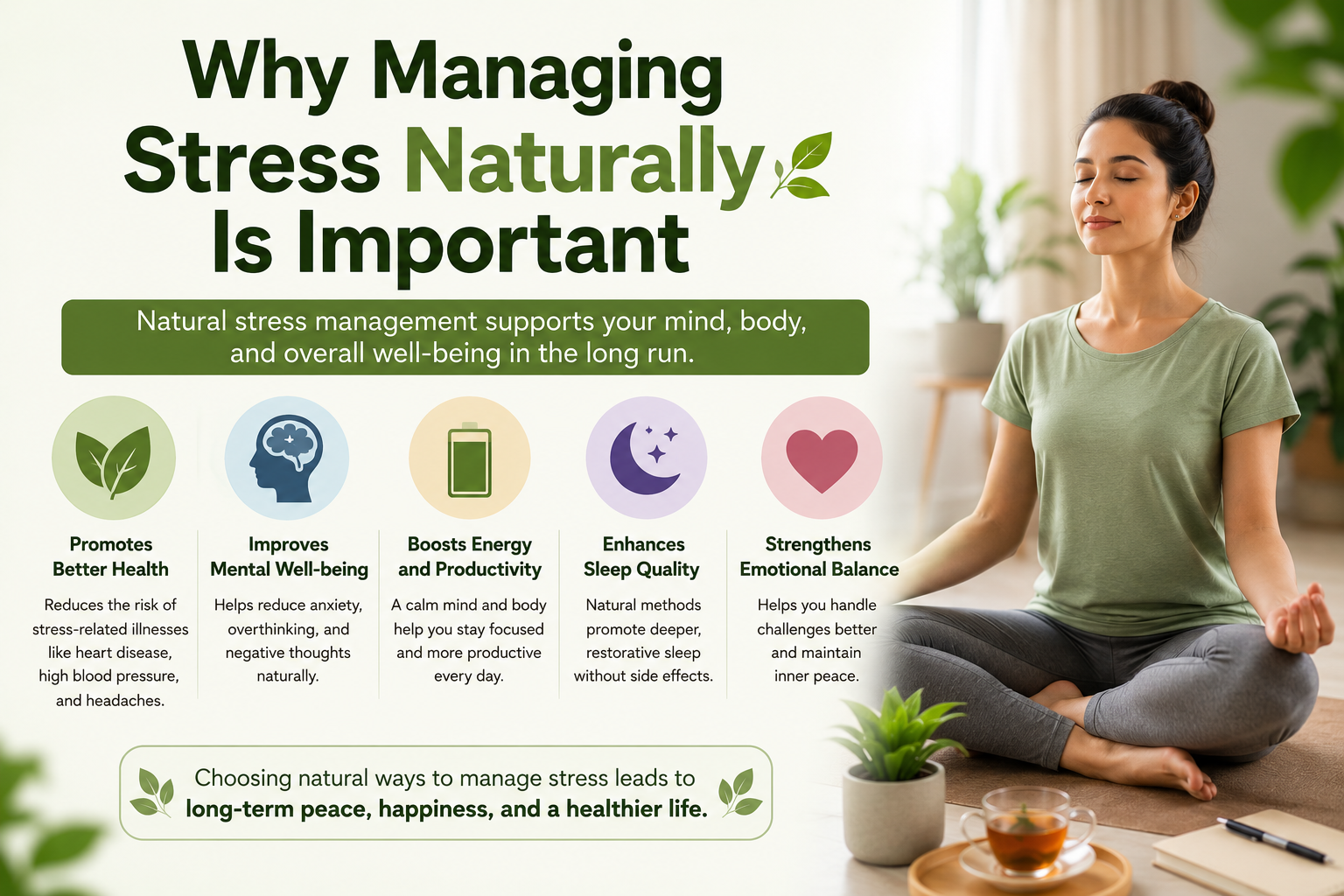
Natural stress management focuses on improving lifestyle habits instead of relying on temporary solutions. It helps the body and mind recover gradually and sustainably. Unlike quick fixes, natural methods such as breathing exercises, healthy routines, and mindful living create long-term emotional stability. These approaches also improve physical health, making them safer and more beneficial over time.
Creating a Calm and Peaceful Home Environment
Your surroundings have a strong influence on your mental state. A cluttered or noisy environment can increase stress levels, while a clean and peaceful space encourages relaxation. Soft lighting, fresh air, organized rooms, and calming colors help create a sense of comfort. Even small changes like rearranging furniture or adding natural elements can make the home feel more relaxing.
How Decluttering Helps Reduce Mental Stress
Clutter is often linked to mental overload. When the environment is disorganized, the mind feels overwhelmed and distracted. Decluttering helps create a sense of control and clarity. Organizing personal spaces, removing unnecessary items, and maintaining cleanliness can instantly reduce stress and improve focus. A tidy home supports a calm and balanced mindset.
Building a Healthy Daily Routine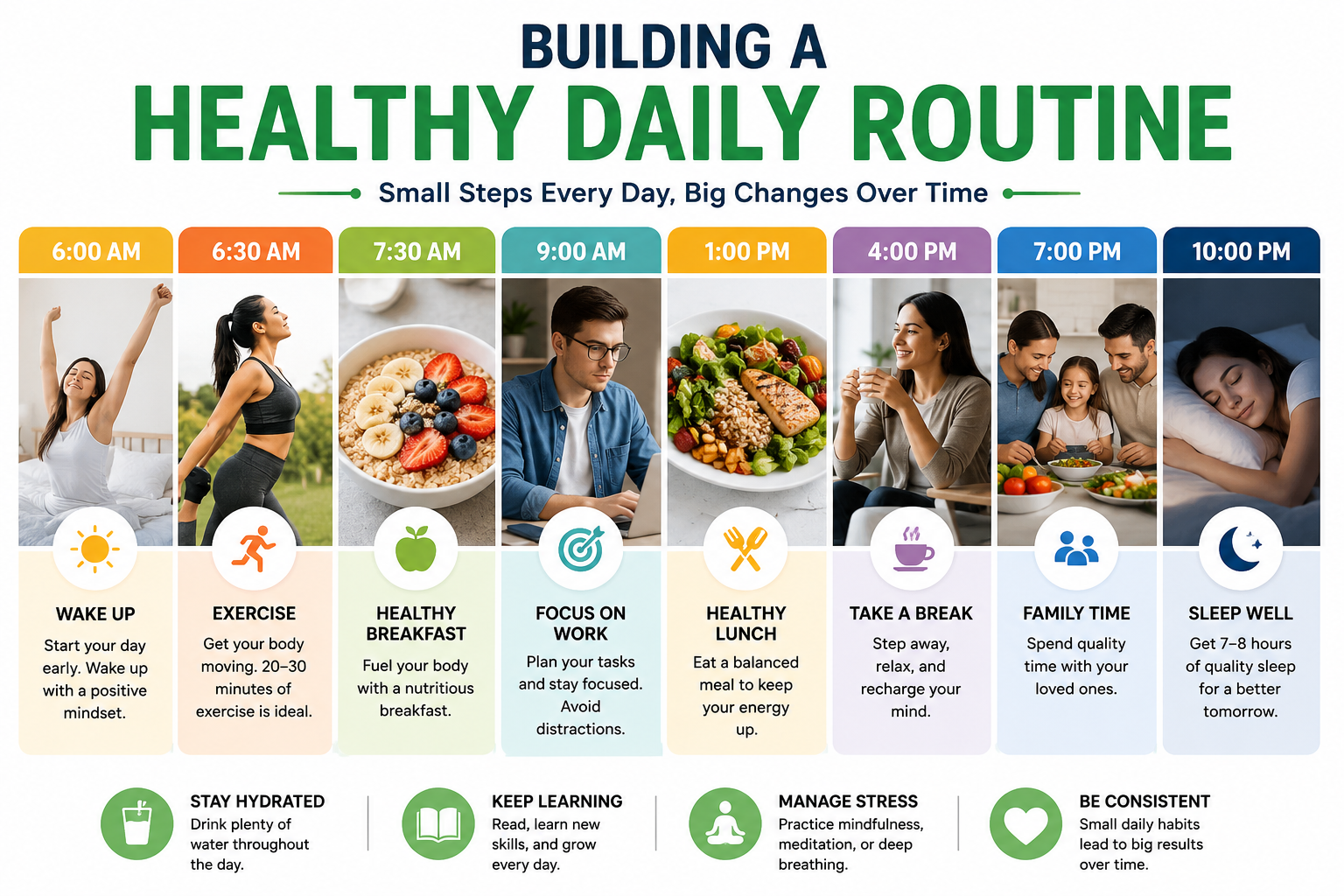
A structured routine brings stability to life. When daily activities such as waking up, eating meals, working, and sleeping happen at consistent times, the body adapts better and feels more balanced. A routine reduces uncertainty, which is a major cause of stress. Starting the day with simple positive habits like stretching or planning tasks can improve productivity and emotional well-being.
The Importance of Quality Sleep for Stress Relief
Sleep plays a vital role in mental health. Lack of sleep increases irritability, reduces concentration, and lowers stress tolerance. A good sleep routine helps the brain and body recover from daily pressure. Avoiding screens before bedtime, maintaining a quiet environment, and following a consistent sleep schedule can greatly improve sleep quality and reduce stress naturally.
Simple Home Exercises to Reduce Stress Naturally
Physical activity is one of the most effective ways to reduce stress. Exercise releases endorphins, which improve mood and reduce tension. Simple home workouts such as walking, stretching, or light aerobics can help refresh the mind. Even 20–30 minutes of movement daily can significantly improve mental health and energy levels.
Benefits of Yoga and Stretching for Relaxation
Yoga combines physical movement with breathing techniques, making it a powerful stress-relief practice. It helps calm the nervous system, improve flexibility, and release muscle tension. Stretching also reduces physical stiffness caused by long hours of sitting or working. Practicing yoga regularly promotes emotional balance and inner peace.
Practicing Mindfulness and Meditation at Home
Mindfulness is the practice of staying present in the moment. It helps reduce overthinking and anxiety caused by worrying about the past or future. Meditation allows the mind to relax and reset. Even a few minutes of quiet breathing or guided meditation daily can significantly reduce stress and improve emotional clarity.
Deep Breathing Techniques to Calm the Mind
Breathing exercises are simple yet highly effective. Slow, deep breathing signals the brain to relax and reduces heart rate. Techniques such as inhaling deeply through the nose, holding briefly, and exhaling slowly help release tension. Practicing deep breathing during stressful moments can quickly restore calmness.
Healthy Eating Habits That Support Mental Wellness
Food has a direct impact on mood and stress levels. A balanced diet rich in fruits, vegetables, whole grains, and protein supports brain function and emotional stability. Avoiding excessive sugar, caffeine, and processed foods can help prevent mood swings and energy crashes. Healthy eating strengthens the body’s ability to cope with stress.
Best Natural Drinks and Foods for Stress Reduction
Certain foods and drinks naturally support relaxation. Herbal teas such as chamomile and green tea help calm the mind. Nuts, seeds, bananas, and dark chocolate in moderation can improve mood and reduce anxiety. Staying hydrated is also essential, as dehydration can increase fatigue and irritability.
Reducing Screen Time and Digital Overload
Excessive screen time is a major cause of modern stress. Constant notifications, social media updates, and digital distractions overwhelm the mind. Reducing screen usage allows the brain to rest and recover. Taking breaks from devices and spending time offline helps improve focus and emotional balance.
The Impact of Social Media on Mental Health
Social media often creates unrealistic comparisons and pressure. People may feel stressed when comparing their lives to others online. Limiting social media use and focusing on real-life experiences can reduce anxiety and improve self-esteem. Being mindful of digital consumption is essential for mental wellness.
Strengthening Family Communication to Reduce Tension
Healthy communication is key to a peaceful home. Open discussions help resolve misunderstandings and reduce emotional stress. Listening without judgment and expressing feelings calmly improves relationships. Strong communication builds trust and emotional support within the family.
How Positive Relationships Improve Emotional Well-Being
Supportive relationships provide comfort during stressful times. Spending quality time with family and friends helps reduce loneliness and emotional pressure. Positive interactions create a sense of belonging and security, which is important for mental health.
Practicing Gratitude for a Happier Mindset
Gratitude shifts focus from problems to positive aspects of life. Taking time each day to appreciate small things can improve mood and reduce stress. Writing down things you are thankful for helps train the mind to think more positively and reduce negativity.
Listening to Music for Relaxation and Stress Relief
Music has a powerful effect on emotions. Soft, calming music can reduce anxiety and create a peaceful atmosphere. Listening to favorite songs or nature sounds helps the mind relax and improves mood instantly.
Aromatherapy and Natural Scents for a Calm Home
Aromatherapy uses natural scents to promote relaxation. Essential oils like lavender, peppermint, and eucalyptus help reduce stress and improve sleep quality. Using diffusers or scented candles can create a calming home environment.
Indoor Plants That Help Create a Relaxing Atmosphere
Indoor plants bring nature into the home and improve air quality. They create a refreshing environment that helps reduce stress. Caring for plants can also be a relaxing and rewarding activity.
Spending Time Outdoors to Refresh the Mind
Natural sunlight and fresh air help reduce stress hormones and improve mood. Spending time outdoors, even for a short walk, can refresh the mind and increase energy levels. Nature has a calming effect that supports mental clarity.
Creative Hobbies That Reduce Anxiety and Stress
Engaging in hobbies such as painting, writing, cooking, or crafting provides emotional release. Creative activities help shift focus away from stress and allow self-expression. Hobbies also bring joy and satisfaction.
Setting Healthy Boundaries to Avoid Burnout
Setting boundaries means knowing your limits and protecting your time and energy. Saying no when necessary helps prevent overwhelm. Healthy boundaries are essential for maintaining emotional balance and avoiding burnout.
Positive Thinking and Self-Care Habits
Positive thinking helps reduce negative emotions and builds resilience. Self-care activities like resting, relaxing, and doing things you enjoy are essential for mental health. Taking care of yourself is not selfish; it is necessary for well-being.
The Mental Health Benefits of Laughter and Humor
Laughter reduces stress hormones and improves mood instantly. Watching comedy, sharing jokes, or spending time with cheerful people can lighten emotional pressure. Humor creates a positive atmosphere at home.
Creating a Long-Term Stress-Free Lifestyle at Home
Stress management is not a one-time effort but a continuous process. Building healthy habits, maintaining routines, and practicing mindfulness lead to long-term emotional stability. Consistency is the key to lasting peace.
Final Thoughts on Living a Calmer and Healthier Life
Reducing stress at home naturally is about making small but meaningful changes in daily life. A clean environment, healthy routine, good sleep, mindful practices, and positive relationships all contribute to emotional well-being. While stress cannot be completely avoided, it can be managed effectively with the right habits. By focusing on balance, simplicity, and self-care, anyone can create a peaceful home environment that supports happiness, health, and long-term mental wellness.