Easy Ways to Save Electricity at Home
Understanding the Importance of Saving Electricity
Electricity has become an essential part of modern life. Almost every activity at home depends on it, from lighting rooms and preserving food to charging phones and powering entertainment systems. Because electricity is so deeply connected to daily comfort, many people use it without paying much attention to how much is being consumed. As a result, electricity waste has become common in households around the world. This waste not only increases monthly utility bills but also affects the environment by increasing the demand for power production.
Saving electricity at home is not about living in discomfort or giving up modern conveniences. Instead, it is about using energy wisely and avoiding unnecessary waste. Even small changes in daily habits can make a noticeable difference over time. Families that practice energy-saving methods often discover that they can maintain the same level of comfort while spending less money and reducing their environmental impact.
Turning Off Unused Lights and Appliances
One of the simplest and most effective ways to save electricity is by turning off lights and appliances when they are not being used. Many people leave lights switched on in empty rooms simply out of habit. Although a single light bulb may not seem to consume much electricity, the combined effect of multiple lights running unnecessarily every day can significantly increase energy usage.
The same applies to televisions, fans, computers, and other electrical devices. Appliances that continue running without serving any purpose waste valuable energy. Developing the habit of checking rooms before leaving and switching off unnecessary devices can reduce electricity consumption immediately. These small actions may appear minor, but when practiced consistently, they can lead to meaningful savings.
Making Better Use of Natural Light
Natural daylight is one of the best alternatives to artificial lighting during the daytime. Many homes keep curtains closed and lights switched on even when sunlight is available outside. Opening windows and curtains allows sunlight to brighten indoor spaces naturally, reducing the need for electrical lighting.
Natural light not only saves electricity but also creates a healthier and more pleasant indoor environment. Sunlight can improve mood, reduce eye strain, and make rooms feel more welcoming. Arranging furniture in ways that maximize daylight exposure can also help reduce dependence on electric lights throughout the day.
Using Air Conditioners and Fans Wisely
Cooling systems are among the biggest consumers of electricity in many households. Air conditioners, in particular, require large amounts of energy to operate. While they provide comfort during hot weather, careless use can quickly increase electricity bills.
Setting the air conditioner to an extremely low temperature often wastes energy because the unit works harder than necessary. A moderate temperature setting is usually enough to maintain comfort while consuming less electricity. Cleaning air filters regularly also improves efficiency because clogged filters force the system to use more power.
Fans can be used together with air conditioners to improve air circulation. Ceiling fans distribute cool air more effectively, reducing the need for excessive cooling. Turning off fans and air conditioners when rooms are empty is another simple but important habit that prevents unnecessary electricity waste.
Improving Refrigerator Efficiency
Refrigerators operate continuously throughout the day and night, making them one of the most important appliances to manage efficiently. Poor refrigerator habits can lead to unnecessary electricity consumption without people even realizing it.
Frequently opening the refrigerator door allows warm air to enter, forcing the appliance to work harder to maintain its internal temperature. Keeping the door closed whenever possible helps improve efficiency. Organizing food properly can also reduce the amount of time spent searching for items with the door open.
Overloading the refrigerator blocks airflow and reduces cooling performance, while an almost empty refrigerator may also lose efficiency. Maintaining a balanced amount of stored food helps the appliance operate more effectively. Regular cleaning of refrigerator coils and checking door seals can further improve energy efficiency.
Reducing Electricity Usage in the Kitchen
Kitchen appliances are convenient, but many of them consume significant amounts of electricity. Ovens, microwaves, electric kettles, and rice cookers can increase energy bills if used carelessly. Fortunately, a few smart habits can reduce electricity usage in the kitchen without affecting cooking quality.
Preparing meals in batches is one effective method because it reduces the number of times appliances need to be used. Reheating food repeatedly also wastes electricity, so planning meals carefully can help improve efficiency. Electric kettles should only be filled with the amount of water actually needed, as heating excess water consumes unnecessary energy.
Using lids while cooking can reduce cooking time and lower energy consumption. Choosing the correct appliance for each task is important as well. For example, using a microwave for small reheating tasks is usually more energy-efficient than using a large oven.
Saving Energy While Washing Clothes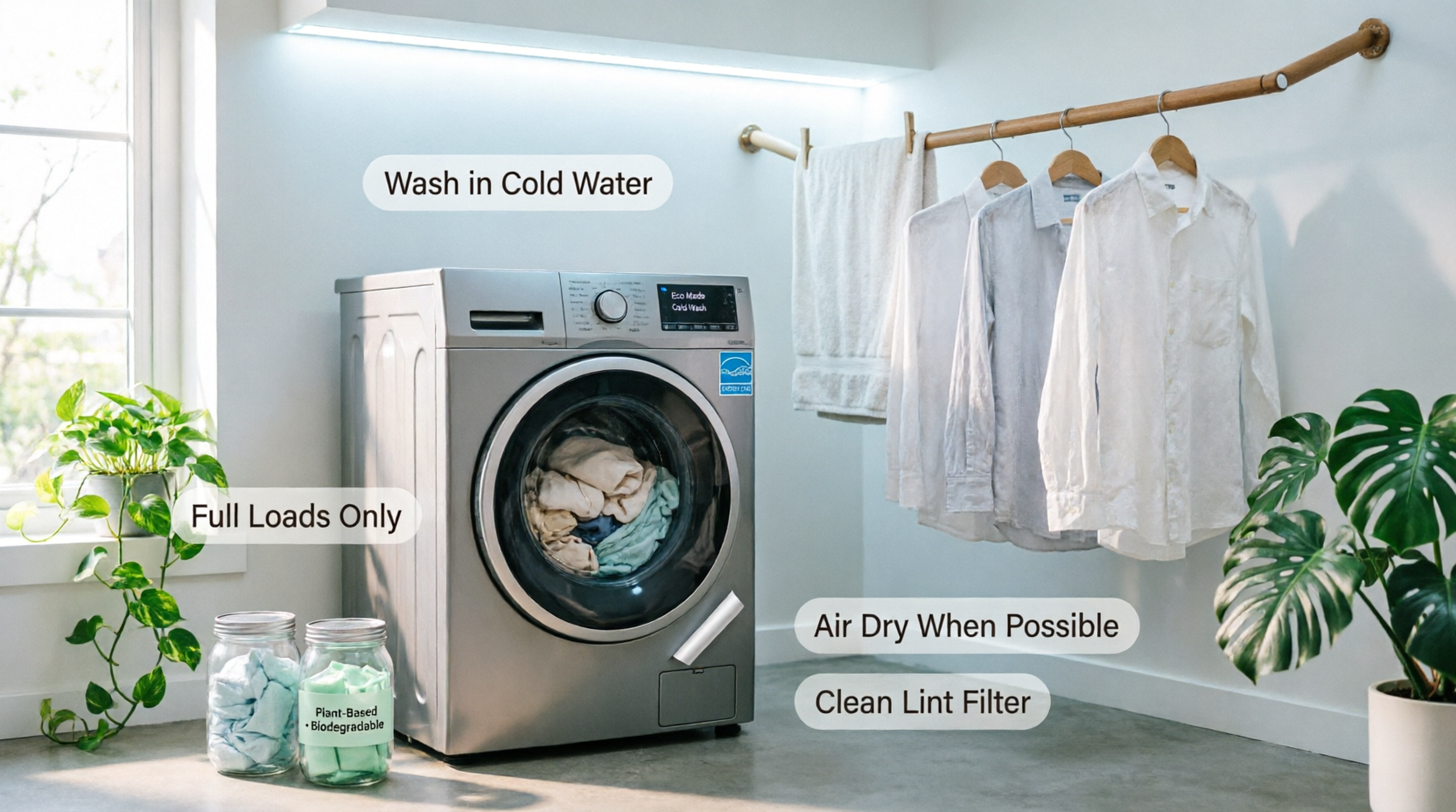
Washing machines and dryers are another major source of household electricity consumption. Running a washing machine with only a few clothes wastes energy because the machine uses nearly the same amount of electricity regardless of load size. Waiting until there is enough laundry for a full load improves efficiency significantly.
Using cold water settings whenever possible can also reduce electricity usage because heating water requires additional energy. Modern detergents are often designed to clean effectively even in cold water, making hot water unnecessary for many loads.
Clothes dryers consume a large amount of electricity, especially when used frequently. Air drying clothes under sunlight is a more energy-efficient alternative that can also help clothes smell fresher naturally. In warm climates, sunlight provides an excellent opportunity to dry clothes without using electrical appliances.
Eliminating Standby Power Consumption
Many people are unaware that electronic devices continue consuming electricity even when switched off. This hidden electricity usage is commonly known as standby power or phantom energy. Devices such as televisions, gaming consoles, chargers, and microwaves often remain plugged in continuously, drawing small amounts of power all day and night.
Although the electricity consumed by one device may seem minimal, multiple devices operating in standby mode can add up over time. Unplugging chargers when they are not in use and turning off power strips can help reduce this unnecessary consumption. Smart power strips are also useful because they automatically cut power to devices that are not actively being used.
Choosing Energy-Efficient Lighting
Lighting technology has improved significantly over the years, and modern LED bulbs are far more energy-efficient than traditional incandescent bulbs. LED bulbs consume less electricity while producing the same amount of brightness. They also last much longer, reducing replacement costs over time.
Switching to LED lighting is one of the easiest long-term investments for saving electricity at home. Although LED bulbs may cost slightly more initially, their lower energy usage and longer lifespan usually result in significant savings. Choosing the right brightness for each room also prevents unnecessary electricity consumption caused by overly bright lighting.
Managing Water Heating More Efficiently
Electric water heaters are another common source of high electricity usage. Heating water requires a considerable amount of energy, especially when heaters are left running for long periods. Taking shorter showers and turning off the heater when hot water is not needed can reduce electricity consumption significantly.
In warm climates, cold or moderately warm water is often comfortable enough for daily activities. Fixing leaking taps and pipes is equally important because wasted hot water means wasted electricity. Proper insulation around water heaters can also help maintain water temperature more efficiently.
Encouraging Energy-Saving Habits in the Family
Saving electricity becomes much easier when all family members participate. Teaching children to switch off lights, unplug chargers, and use appliances responsibly can create lifelong habits that benefit both the household and the environment.
Family discussions about electricity usage can increase awareness and encourage cooperation. When everyone understands the importance of conserving energy, small daily actions become part of normal life rather than temporary efforts.
The Environmental Benefits of Saving Electricity
Reducing electricity consumption does more than lower utility bills. It also helps protect the environment. In many parts of the world, electricity is still generated using fossil fuels such as coal, oil, and natural gas. Excessive electricity usage increases pollution and contributes to climate change.
By using electricity more responsibly, households can help reduce the demand for energy production. Even simple actions such as switching off unused appliances or improving appliance efficiency contribute to environmental sustainability. When millions of households adopt these habits, the combined effect can be significant.
Building a Sustainable Lifestyle
Saving electricity is ultimately about creating smarter and more responsible daily habits. It does not require major sacrifices or expensive technology. Most electricity-saving methods involve simple decisions that anyone can practice consistently.
Over time, these habits become part of a sustainable lifestyle that benefits both families and the planet. Lower electricity bills, reduced environmental impact, and greater awareness of energy usage are all valuable rewards. By making thoughtful choices today, households can enjoy a more efficient, cost-effective, and environmentally friendly future.