How Chocolate is Made: From Cocoa Bean to Your Favorite Bar
Chocolate is one of the most popular, loved foods in the world. It is also one of the oldest recorded foods, with evidence of its consumption dating back over 3000 years. Back then, it was made into a bitter drink only for the rich, but in the modern day it's made in thousands of different varieties, mainly as a sweet delight, all around the world.
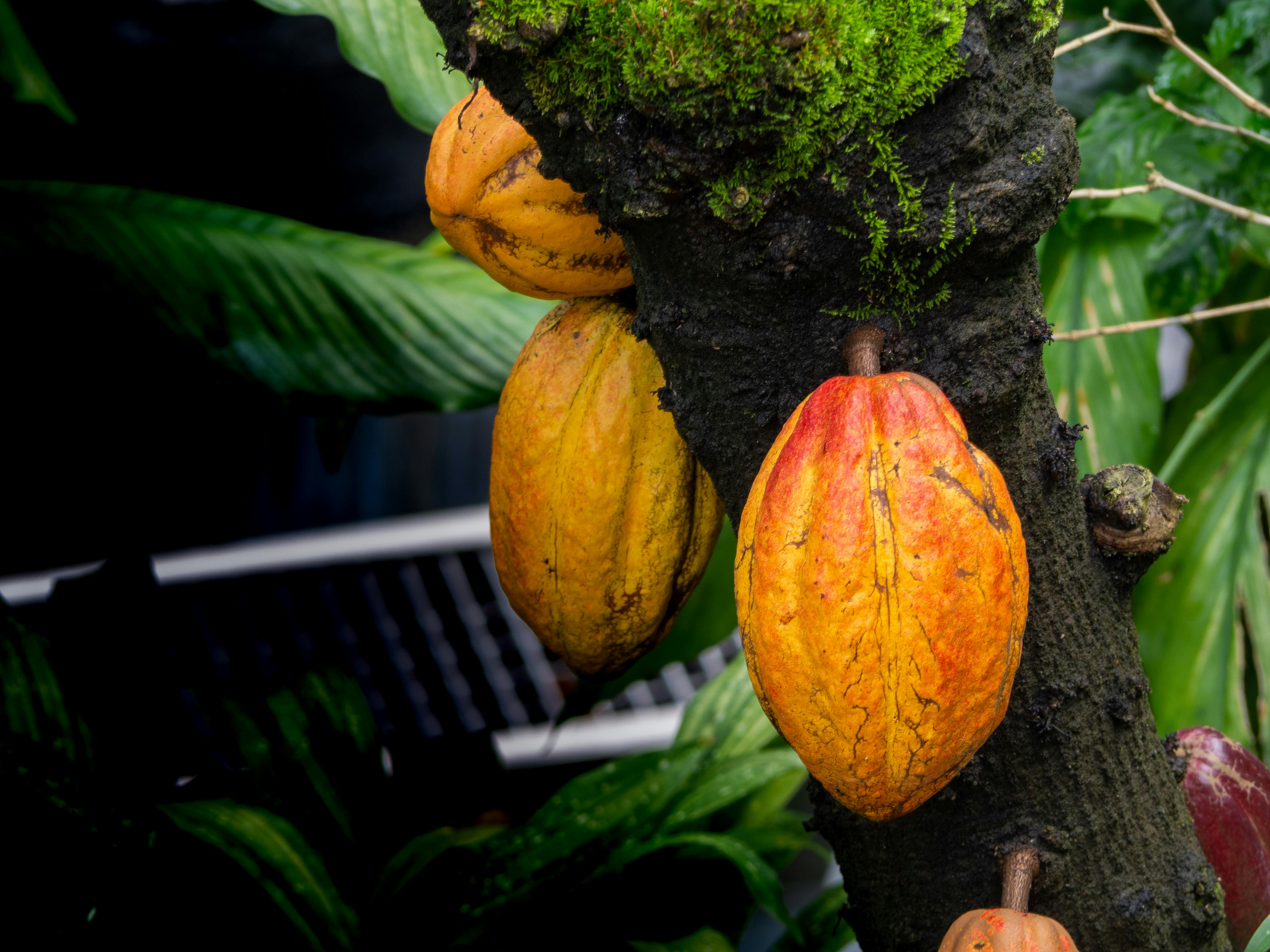
Despitethis, many people don't know where it comes from, or how its made. Simply, chocolate comes from the cacao beans, which comes from pods in the Theobroma Cacao tree, which is native to South America, and grows in warm tropical climate, typically within 20 degrees North and South of the equator. These trees have oval-shaped fruits(pods) that grow about 5-12 inches in length, and each contains about 30-50 seeds.
This article explains the process of making chocolate step by step.
 1.Growing and Harvesting Cacao Beans
The cacao pods are harvested when they are ripe, in a yellow/orange color, typically twice a year. Sometimes they are also harvested continuously, as this unique tree can produce flowers and fruits simultaneously throughout the year.
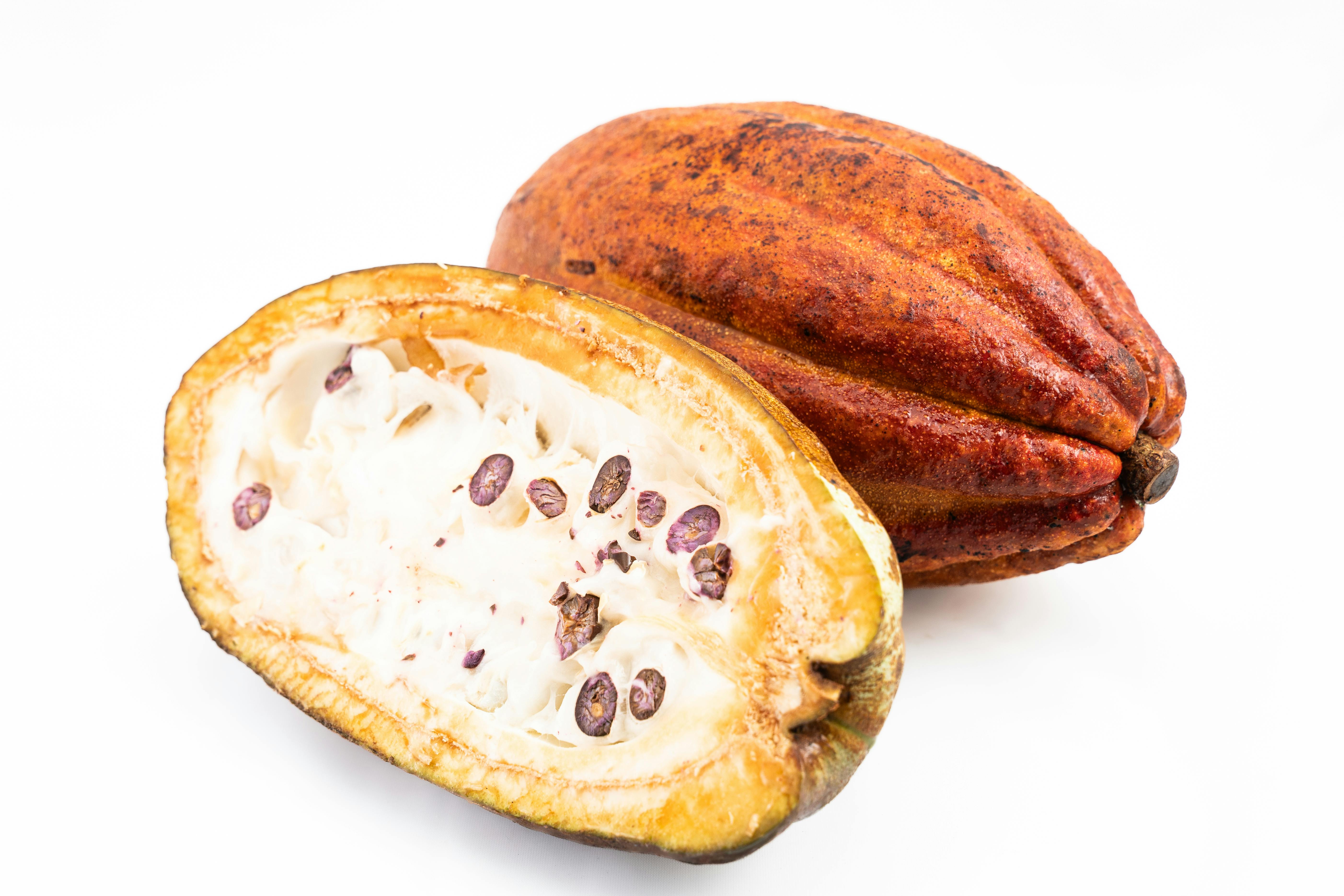
Experts decide the right time and number of times of harvesting. These ripe pods are cut open and the cacao beans and the white pulp around them are removed by hand.
2.Fermentation of Cacao Beans
The beans are first cleaned by hand and then wrapped in banana leaves and left in heaps or boxes for fermentation, depending on the region (they are left in boxes in Latin America, and heaps in Africa). The banana leaves help by releasing enzymes that help with the fermentation process and also make it warmer inside the containers (seeds can reach temperatures up to 45 to 50 degrees Celsius).
This process takes 2-9 days, and during this period microorganisms that are naturally present ferment the beans by the remaining white, sticky pulp surrounding the beans, which convert to lactic acid or alcohol and break down the bean's cell walls. This turns the bitter, purple seeds into aromatic, brown beads essential for the chocolate flavor.
3. Drying the Beans (and Transport)
Beans are carefully dried under the hot sun (if the weather permits it) for one to two weeks to remove moisture and chances of spoiling or mold growing, or even continuous fermentation. In wetter areas, they are dried on open fires,
which can give them a smoky flavor. They are placed on wooden boards or bamboo mats and continuously raked and turned over for consistent drying.
Oncethe beans are dried thoroughly, they are ready for transport and are taken to the chocolate manufacturers. The steps until this one occurred in farms, and the following happen at chocolate factories.
4. Roasting the Beans
The beans are roasted at the right temperature (between 120 to 150 degrees Celsius) to further develop the flavor and aroma of chocolate and make the shells brittle. This is similar to the way coffee is roasted and determines the state of the final product as roasting induces chemical changes within the beans.
If the beans are roasted too little, or at very low temperatures, they may taste acidic, and if they are roasted too much at higher temperatures, they may become bitter and burnt. It even removes any potential bacteria, such as Salmonella. This process takes from 10 to 30 minutes.
5. Separating the Shells by Winnowing
The beans are sent through a machine that cracks open their shells and uses airflow to separate them from the nibs inside. As the shells are sometimes used to make cacao tea and agricultural mulch or fertilizer, some manufacturers sell the shells to certain buyers. The remaining nibs are all that's needed from the cocoa beans to make chocolate.
6. Grinding Into Chocolate Liquor
The separated nibs are grounded into a paste called chocolate liquor or cacao mass, which is solid at room temperature. This process is done by a machine called a melanger, a special type of stone grinder with two granite wheels that rotate over a granite base, reducing the chocolate particles to a flat paste.
This chocolate liquor is the foundation of all chocolate products. The more it is grounded, the smoother the final product will be, and some manufacturers do just the grinding for days. Chocolate liquor is placed under extremely high pressures to obtain the core products: cocoa solids and cocoa butter. The released cocoa butter is what gives chocolate its melt in your mouth texture.
7. Producing Chocolate
The chocolate made depends on the ingredients mixed after this.
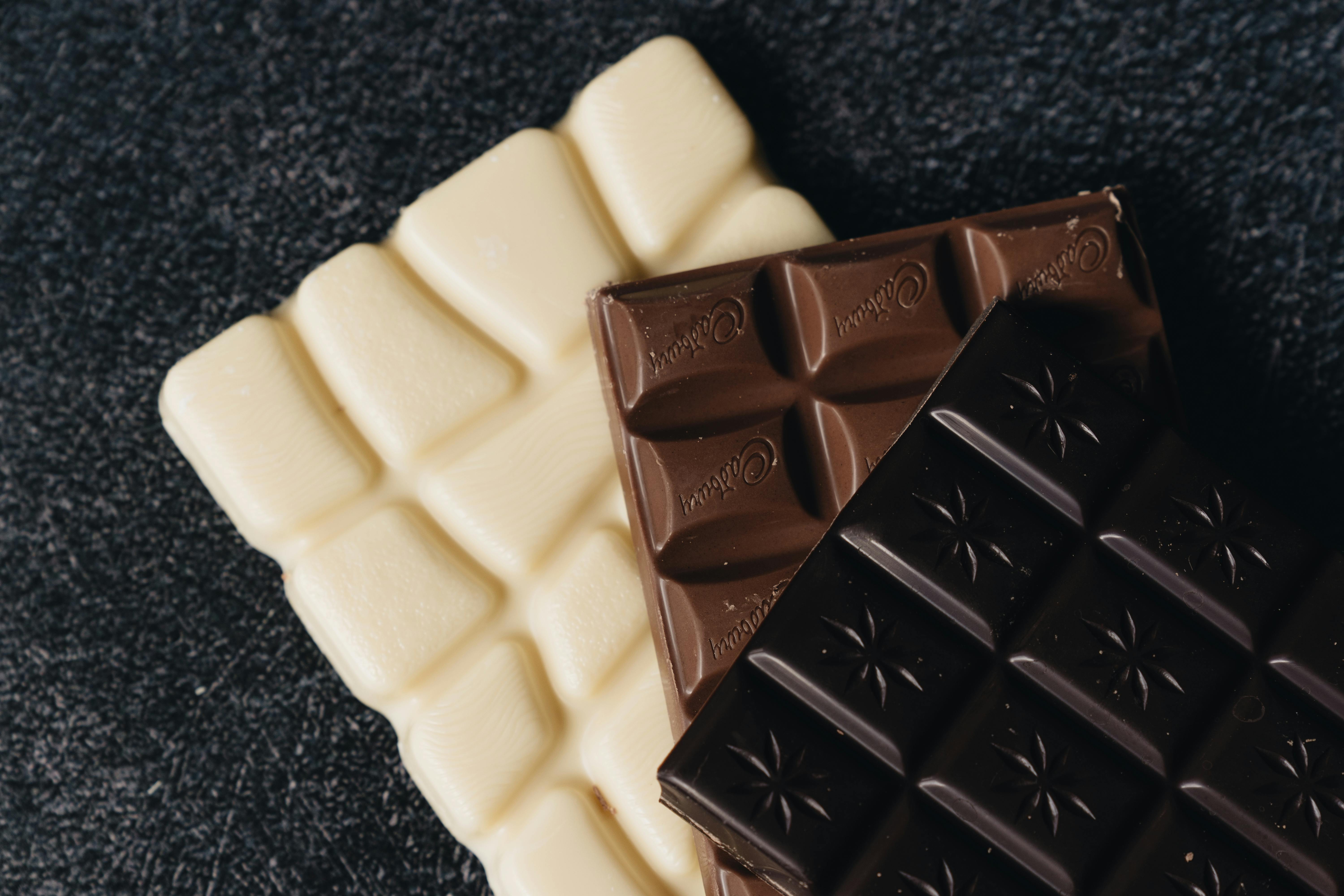
Dark Chocolate: cocoa solids, cocoa butter, sugar (less than other products)
Milk Chocolate: cocoa solids, cocoa butter, milk powder, sugar
White Chocolate: cocoa solids, milk powder, sugar
 8.Conching and Refining
A "conche" is a machine that stirs and smoothens the chocolate mixture under heat. This process of rolling, kneading, heating, and aeration is known as conching, and this is where the chocolate gets its aroma, flavor, taste, and pure, consistent texture. Any remaining bad flavors are removed during this process.
The temperature and duration of conching affect the flavor and texture of the final product. Typically, conching for a longer period of time would produce smoother chocolate.
9. Tampering and Molding
Chocolate is cooled and reheated to stabilize the cocoa butter crystals, and this process is known as tampering. Tampering gives chocolate the glossy finish and satisfying "snap" when broken.
After this, the chocolate is poured into molds to cool and harden. The resulting shape would mostly be the bar shape, but sometimes they can be made in other shapes. Flavors and other ingredients can be added to this hardened chocolate to get different tastes, and they can be molded into other shapes by melting.
Finally, the chocolate is packaged and sent out to be enjoyed.
Conclusion
Chocolate is a favorite delight of billions of people, and although it was a luxury in the past, everyone around the world can obtain it for cheap, and even try to make some. But that doesn't mean it's an easy process. Chocolate making is
a sensitive process that consumes weeks and even months, with a lot of human labor, capital and machinery involved. This shows just how much work goes into producing chocolate that people have every day.