🕋 Hajj and Eid al-Adha: Faith, Sacrifice, Unity and Renewal Spirit!
Introduction
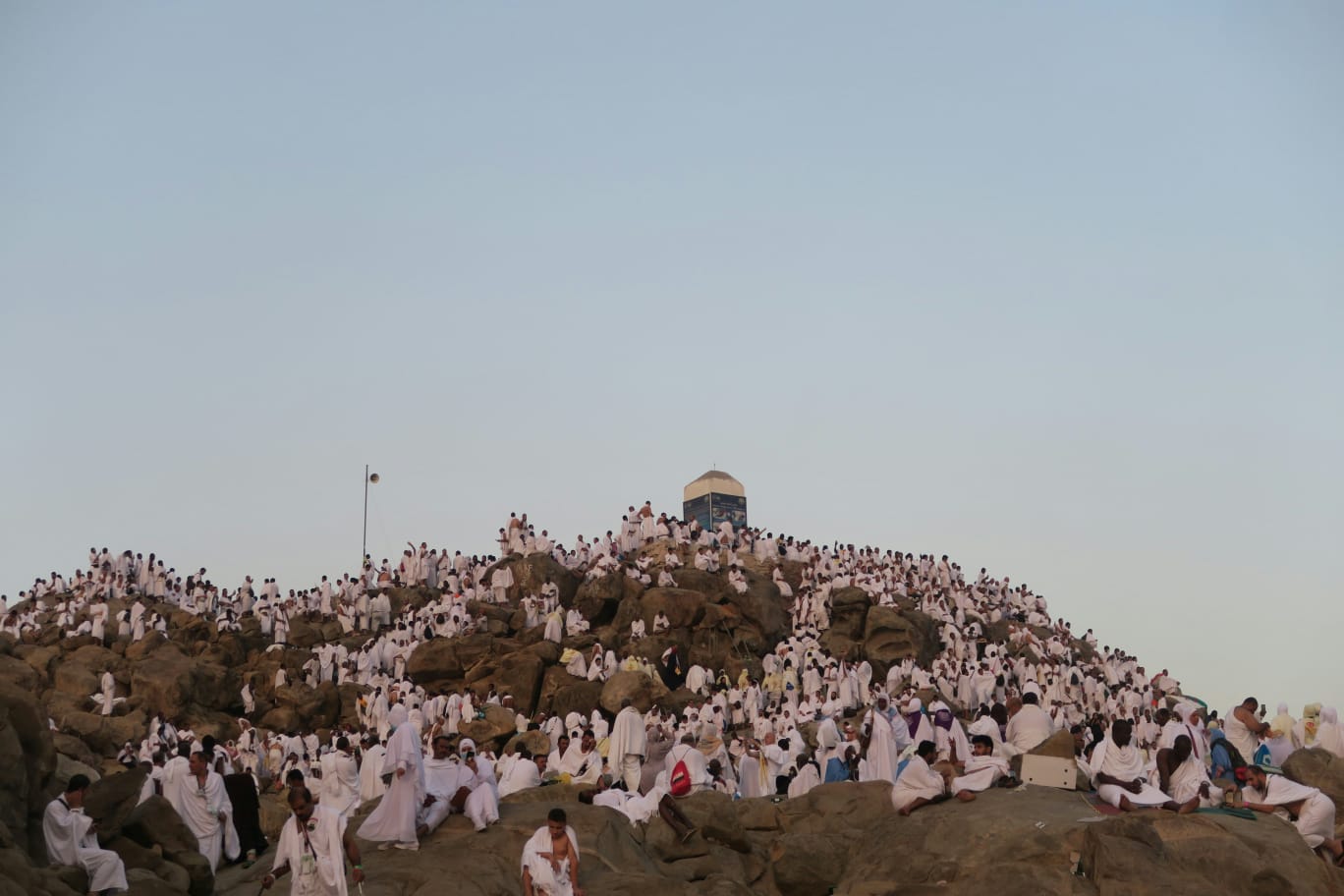
Imagine millions of people from every corner of the world walking together in simple white clothing, leaving behind wealth, status, and titles all for one spiritual purpose. No luxury, no differences, no distractions. Just faith, prayer, and devotion to God.
This is Hajj - one of the most powerful spiritual journeys on Earth.
Every year, millions of Muslims travel to the holy city of Makkah in Saudi Arabia to perform this sacred pilgrimage. But Hajj is far more than a physical journey. It is an emotional, spiritual, and life changing experience that reconnects believers with their Creator and with the timeless story of faith passed down through Prophet Ibrahim (Abraham), his wife Hajar, and their son Ismail.
Closely connected to Hajj is Eid al-Adha, the “Festival of Sacrifice,” celebrated by Muslims around the world during the same sacred season. Both Hajj and Eid al-Adha share the same core lessons: devotion, obedience, patience, sacrifice, humility, and compassion.
To truly understand why millions gather in Makkah every year, we need to explore the meaning, rituals, history, and spiritual beauty behind Hajj and Eid al-Adha.
🕋 What is Hajj?
Hajj is one of the Five Pillars of Islam and is considered a religious obligation for every Muslim who is physically and financially able to perform it at least once in their lifetime.
It takes place in the holy city of Makkah, Saudi Arabia, during the Islamic month of Dhul Hijjah, the final month of the Islamic calendar.
Muslims believe the rituals of Hajj were established thousands of years ago by Prophet Ibrahim, his wife Hajar, and their son Ismail. Their story is remembered as one of the greatest examples of faith, trust, patience, and obedience to God.
Hajj is not a cultural celebration or an ordinary trip. For Muslims, it is a sacred act of worship and one of the most meaningful journeys a person can experience.
🕊️ Why Do People Go for Hajj?
People perform Hajj for deeply spiritual and personal reasons.
🤲 Obedience to God
For Muslims, Hajj is a command from God and an important act of worship.
💔 Seeking Forgiveness
Many pilgrims go hoping for spiritual cleansing, forgiveness, and a fresh beginning in life.
🌙 Strengthening Faith
The journey helps people reconnect with their faith, purpose, and relationship with God.
🌍 Equality Before God
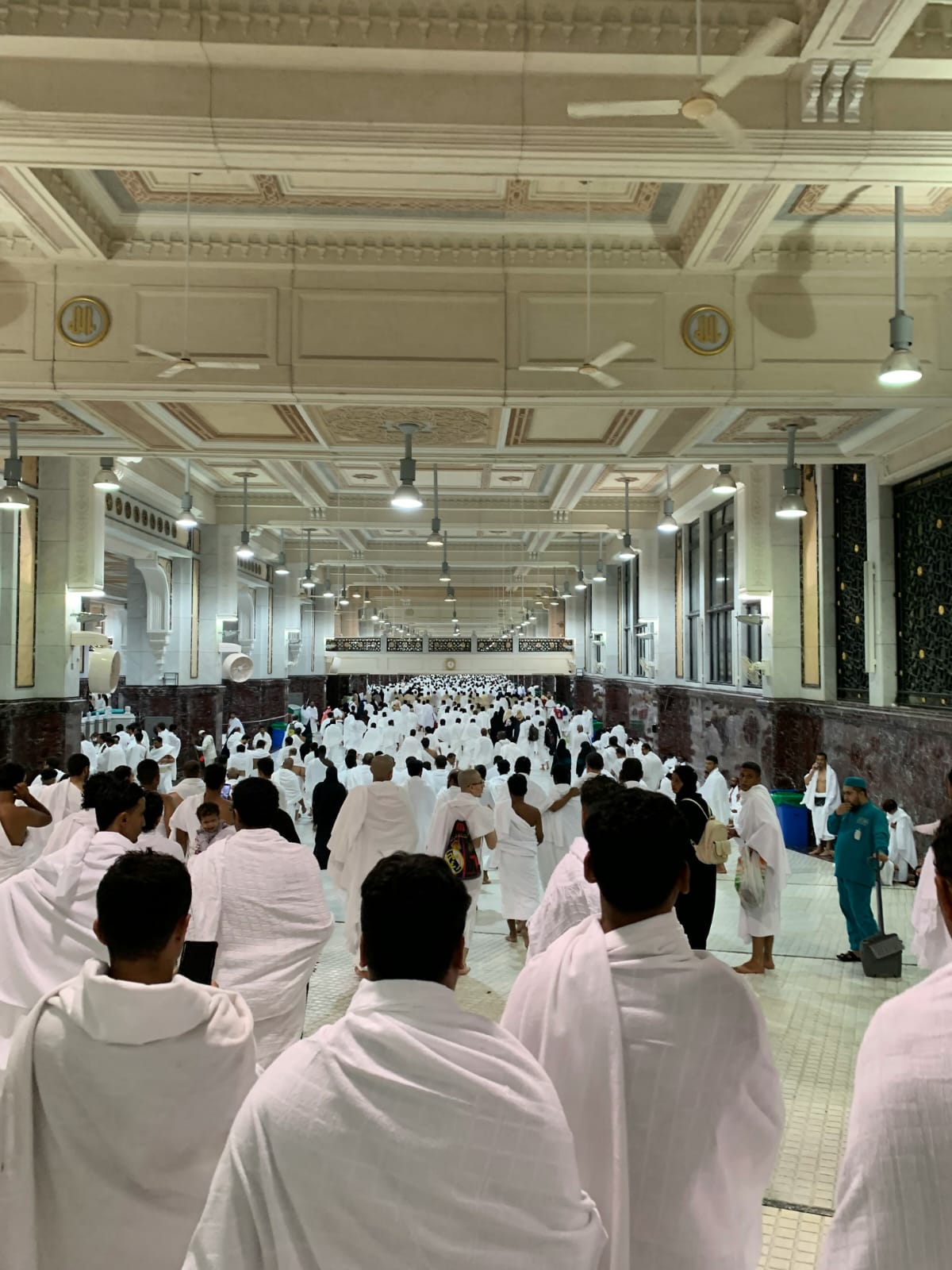
During Hajj, everyone wears simple white clothing called Ihram, removing visible signs of wealth, social class, nationality, or status.
🧎 Spiritual Growth
Hajj teaches patience, discipline, humility, gratitude, and self control.
🌙 Why Hajj Happens During This Season
Hajj takes place during Dhul Hijjah, the final and one of the holiest months in the Islamic calendar.
This same period also includes Eid al-Adha, creating a deep spiritual connection between the pilgrimage and the festival of sacrifice.
Eid al-Adha begins shortly after the major rituals of Hajj are completed, linking both events through the shared themes of devotion, sacrifice, obedience, and mercy.
🕋 The Purpose and Meaning of Hajj
The true purpose of Hajj is not simply traveling to Makkah, it is the transformation of the heart.
🧎♂️ Submission to God
Pilgrims leave behind comfort, routine, and worldly distractions to focus completely on worship.
💔 Sacrifice
Hajj teaches people to let go of pride, ego, greed, and unhealthy attachments.
🌍 Unity
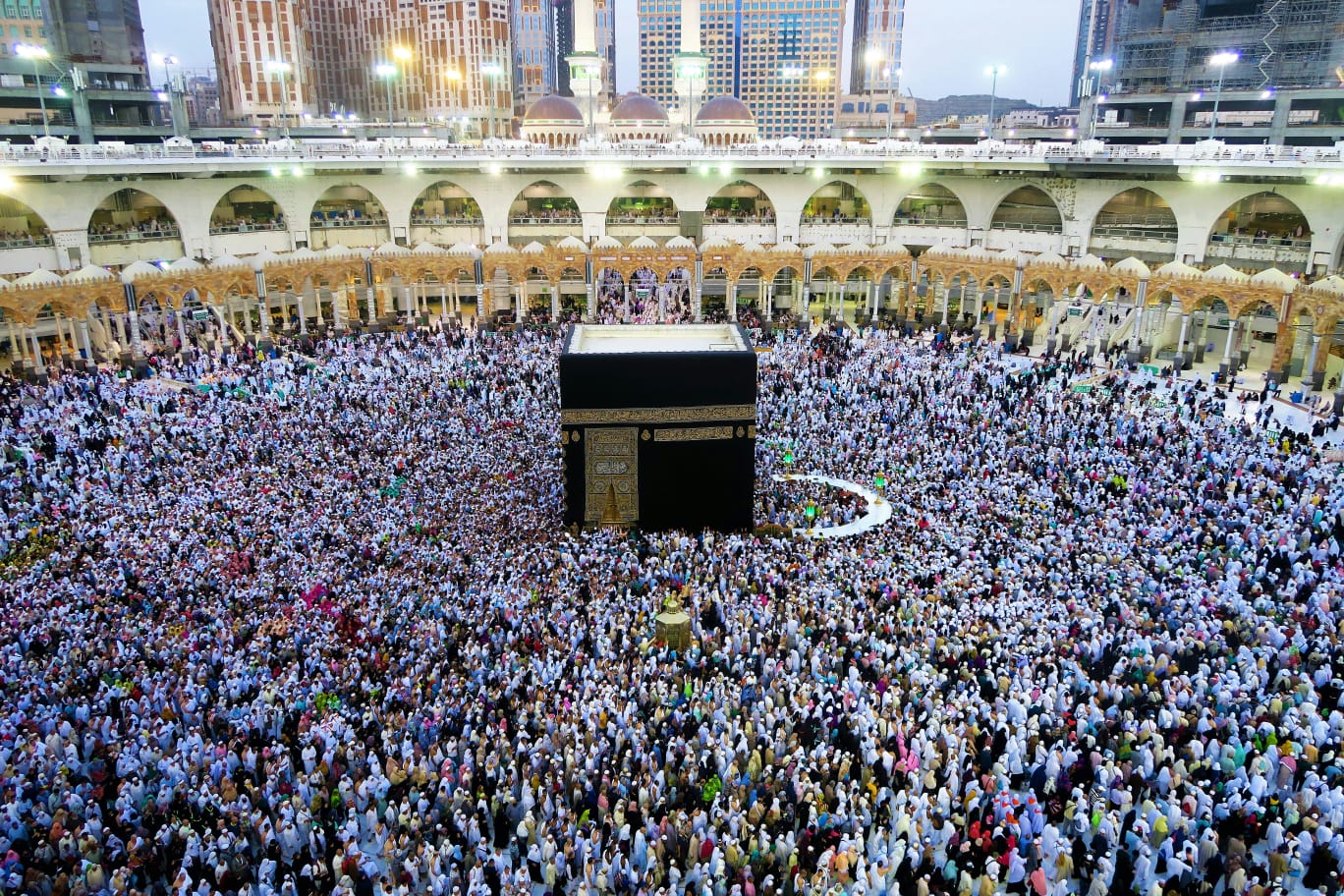
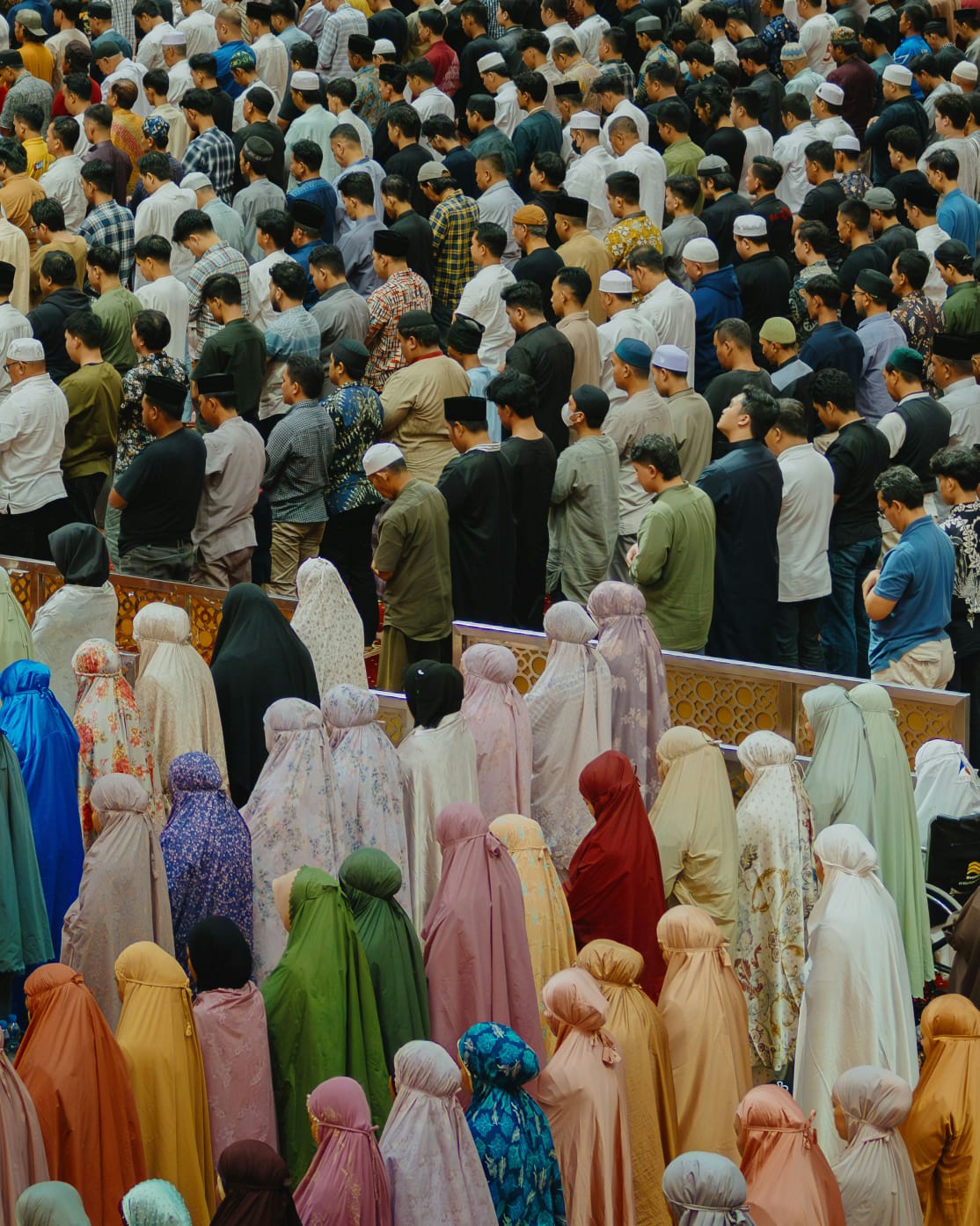
Millions of Muslims from different races, languages, cultures, and countries stand together as equals.
🤲 Spiritual Renewal
Many pilgrims return home feeling emotionally transformed, spiritually renewed, and closer to God.
🧕 The Main Rituals of Hajj
Although Hajj contains several rituals, each one carries deep spiritual meaning connected to faith and history.
🤍 Ihram - The Sacred State
Pilgrims wear simple white garments and enter a spiritual state of purity and devotion.
🕋 Tawaf - Circling the Kaaba
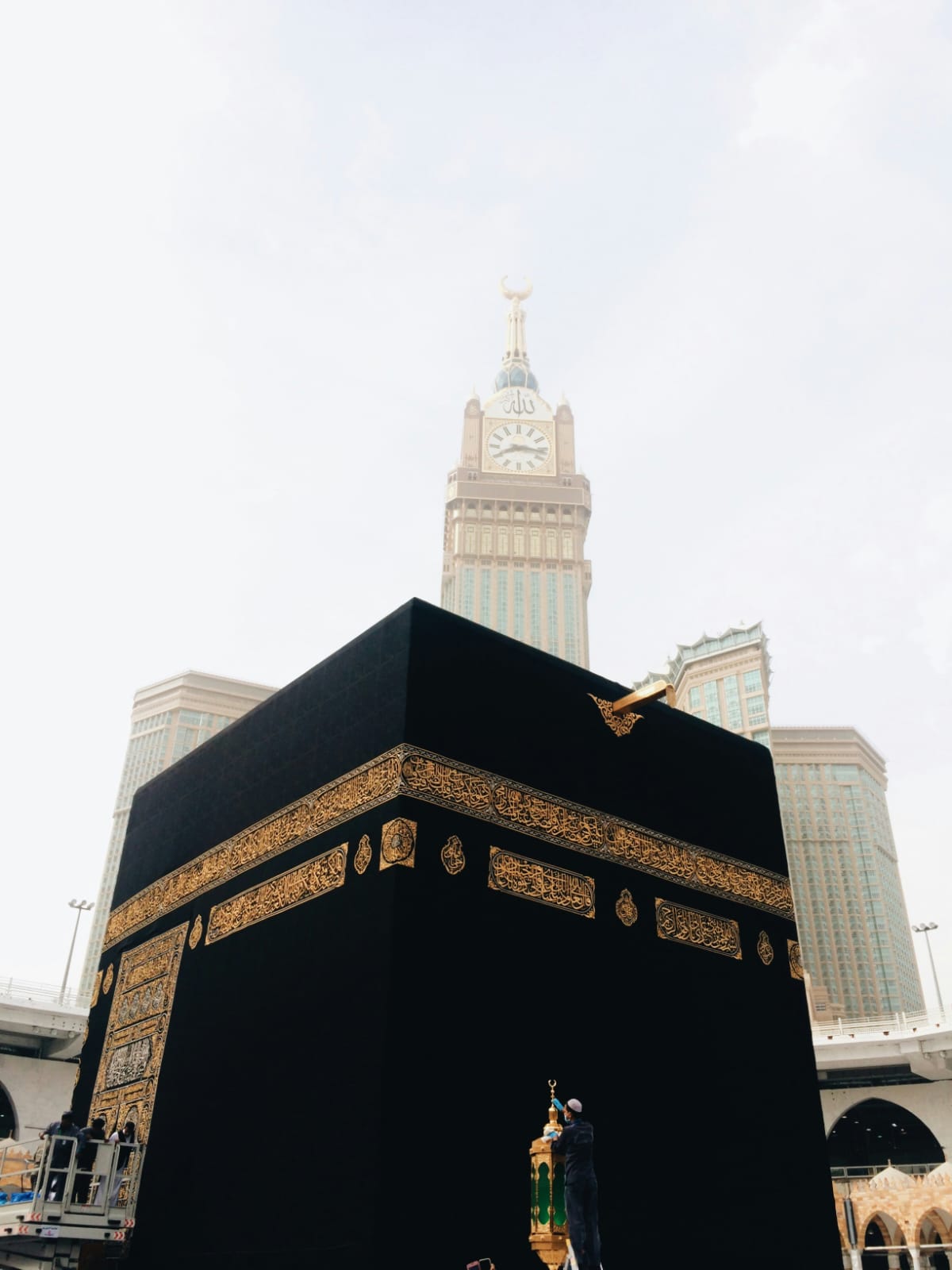
Pilgrims walk around the Kaaba seven times in worship and remembrance of God.
🏃 Sa’i - Walking Between Safa and Marwah
This ritual honors Hajar’s desperate search for water for her baby son Ismail in the desert.
🌄 Standing at Arafat
Pilgrims gather in prayer and reflection at Mount Arafat, considered one of the most emotional moments of Hajj.
Stoning the Pillars
Pilgrims throw stones at symbolic pillars representing the rejection of evil and temptation.
🐑 Sacrifice
Animals are sacrificed to remember Prophet Ibrahim’s devotion and willingness to obey God.
🐑 The Connection Between Hajj and Eid al-Adha
Eid al-Adha honors the powerful story of Prophet Ibrahim, who was willing to sacrifice what he loved most out of obedience to God.
Before the sacrifice took place, God replaced it with a ram, showing mercy and rewarding Ibrahim’s faith and sincerity.
This story teaches important lessons about:
- trust in God
- obedience
- sacrifice
- patience
- generosity
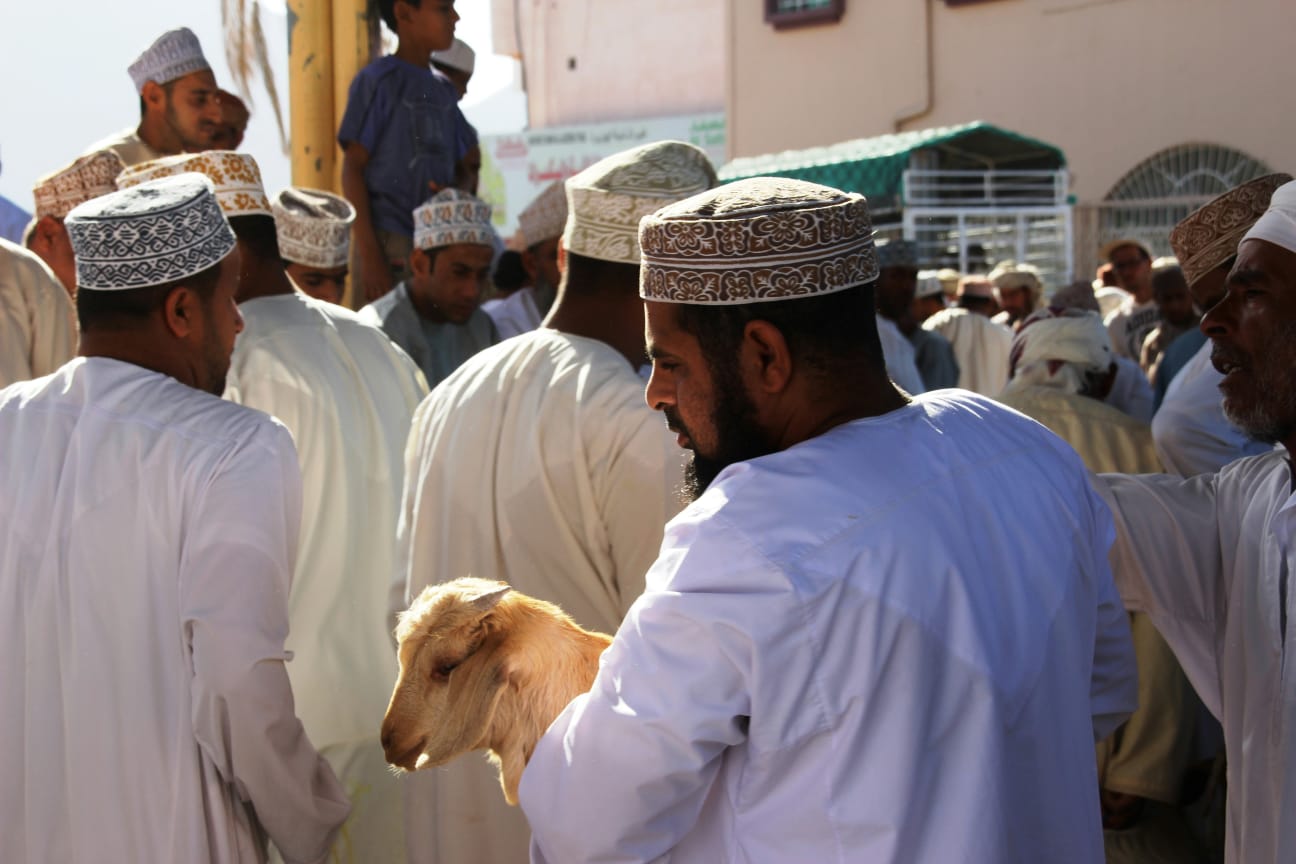
During Eid al-Adha, Muslims around the world sacrifice animals such as goats, sheep, or cows. The meat is shared among family, friends, neighbors, and people in need, reminding everyone about compassion and charity.
💡 Spiritual Lessons from Hajj
Hajj teaches lessons that stay with many pilgrims for the rest of their lives.
🌙 Patience in Difficulty
The journey can be physically demanding, teaching endurance and perseverance.
🤍 Humility Before God
Hajj reminds people how small human beings are compared to the greatness of God.
🌍 Unity of Humanity
People from every race and nationality worship together without division.
Self Reflection
Pilgrims spend time reflecting on their actions, mistakes, and purpose in life.
🙏 Gratitude
The experience helps many appreciate health, family, faith, and the blessings they often overlook.
❓ Common Questions People Ask About Hajj
❓ Is Hajj only for old or retired people?
No. Many young people also perform Hajj. The requirement is not age, but physical ability, financial ability, and readiness. Even young adults can perform Hajj if they meet these conditions.
❓ Why do pilgrims wear only white clothes?
The white clothing, known as Ihram, removes visible signs of wealth, fashion, and social status. It reminds everyone that all human beings are equal before God and that only good deeds truly matter.
❓ Is Hajj physically difficult?
Yes, Hajj can be challenging because of large crowds, long walking distances, and hot weather. However, many pilgrims say the spiritual experience gives them strength and makes the difficulties feel meaningful.
❓ Why do millions gather in one place at the same time?
Hajj can only be performed during specific days of Dhul Hijjah. This creates one of the largest peaceful gatherings in the world, symbolizing global unity and shared faith.
❓ Do people change after Hajj?
Many people describe Hajj as life changing. Pilgrims often return with greater peace, discipline, gratitude, and a stronger commitment to living a better life.
❓ What if someone makes mistakes during Hajj rituals?
Islam emphasizes mercy and sincere intention. If mistakes happen during Hajj, there are ways to correct many of them, and Muslims believe God is forgiving and understanding.
❓ Why is Makkah so important?
Makkah is considered the holiest city in Islam. It is home to the Kaaba, the sacred structure Muslims face during their daily prayers.
❓ Can non Muslims perform Hajj?
No. Hajj is a religious pilgrimage specifically for Muslims and is considered an act of worship.
❓ Why is sacrifice important during Eid al-Adha?
Sacrifice symbolizes devotion to God, generosity, and helping those in need. The meat is shared with family, friends, neighbors, and poor communities.
🌟 Fascinating Facts About Hajj That Many People Don’t Know
Imagine standing in one place with millions of people from nearly every country in the world, yet everyone is dressed almost the same, saying the same prayers, and worshipping together as one. That is Hajj, one of the most breathtaking human gatherings on Earth.
During Hajj, something remarkable happens: status disappears. A wealthy businessman, a king, a celebrity, and an ordinary worker may all stand shoulder to shoulder wearing the same simple white Ihram. No luxury brands. No social titles. No visible differences. Just human beings equal before God.
One of the most emotional moments for pilgrims is seeing the Kaaba for the first time. Many people instantly burst into tears. Some freeze in silence. Others raise their hands in prayer because they have waited their entire lives for that moment.
Did you know pilgrims may walk more than 20 kilometers during Hajj rituals? Despite the heat and exhaustion, many describe feeling spiritually energized instead of tired. People often say their hearts feel lighter even when their bodies feel weak.
Another fascinating fact is about Zamzam water. According to Islamic history, this water first appeared in the desert for Hajar and baby Ismail thousands of years ago. Yet even today, millions of people drink from it every year, and the well has never dried up.
The Day of Arafat is often described as the most powerful day of Hajj. Imagine millions of people standing under the open sky together, praying, crying, and asking forgiveness at the same time. Many pilgrims say it feels like standing on the Day of Judgment - emotional, humbling, and unforgettable.
Even with modern technology, Hajj still preserves its ancient spiritual beauty. Today there are cooling systems, giant umbrellas, high speed trains, apps, and advanced crowd control systems helping millions move safely. Yet the rituals themselves remain connected to the time of Prophet Ibrahim thousands of years ago.
Perhaps the most beautiful part of Hajj is the kindness between strangers. Pilgrims share water, help elderly people walk, offer food, and pray for people they have never met before. In those moments, the world feels less divided and more united.
For many Muslims, Hajj is not remembered as a vacation or ordinary trip. It becomes a deeply personal story carried in the heart forever - a journey that changes how people see faith, life, and even themselves.
🌍 Why Hajj Still Matters Today
- In a fast moving world filled with distractions, pressure, and division, Hajj continues to remind people about what truly matters.
- It strengthens faith, promotes equality, teaches simplicity, encourages compassion, and brings millions together beyond race, language, culture, or nationality.
- Hajj reminds humanity that people are capable of unity, humility, kindness, and spiritual reflection - values the modern world deeply needs.
🕊️ Conclusion
Hajj and Eid al-Adha are far more than religious traditions or annual events. They are deeply meaningful experiences that teach sacrifice, patience, humility, compassion, and devotion to God.
For those who perform Hajj, it often becomes one of the most life changing journeys of their lives. For others, it remains a powerful reminder about faith, humanity, and the importance of spiritual connection.
Understanding Hajj is not only about learning rituals. It is about understanding the deeper meaning of faith, purpose, sacrifice, and unity among human beings.
In a world often filled with division and distraction, Hajj remains a timeless reminder that humility, faith, and human unity still have the power to bring hearts together.